

 Deutsch
 Français
 Español
 Português
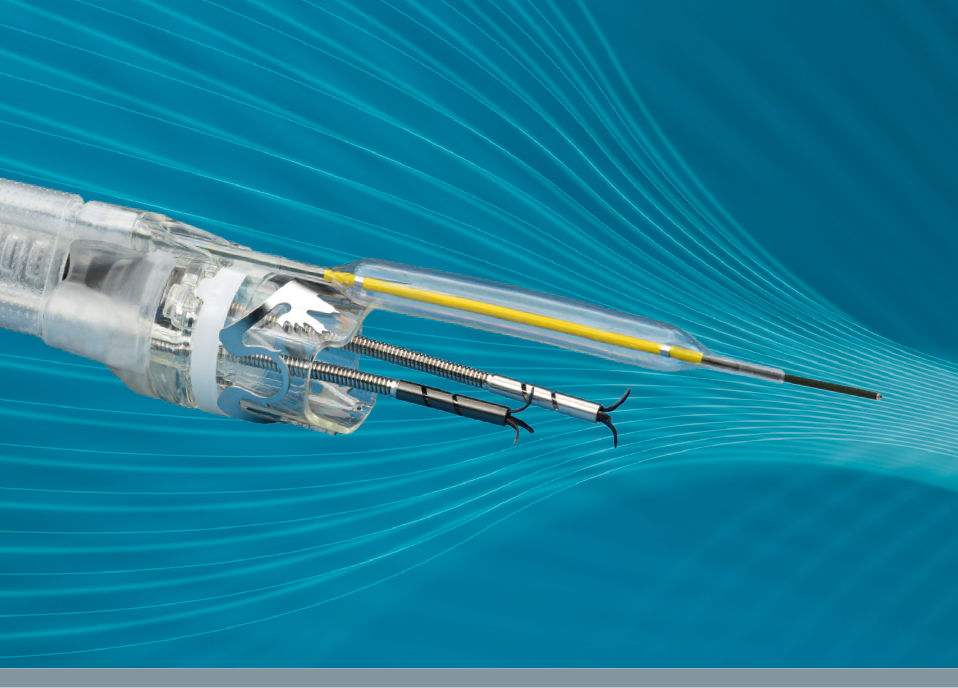
BARS® for patients with dumping syndrome: new prospective multicenter study
BARS® achieves 100% technical success and significantly reduces both anastomotic diameter (−47%) and dumping symptoms (Sigstad score 17.5→5) after RYGB at 3-month follow-up
Key findings
- Successful clip deployment in all 23 patients (23/23)
- Median anastomotic diameter reduced from 40 mm to 9 mm immediately post-procedure (−77%; p<0.001) and was still reduced to 20 mm (−47%; p=0.004) at 3 months
- Median Sigstad score significantly decreased from 17.5 to 5 at 3 months (p<0.001)
- Quality of life (SF-36) improved significantly in 5 of 8 subcategories, alongside a median BMI reduction from 30.6 to 29.25 kg/m² (p=0.001) at 3 months
- Favorable short-term safety profile: Severe adverse events reported in only 2 of 23 patients (9%), with just one possibly procedure-related (anastomotic ulcer, no bleeding in EGD)
Study details
- Prospective, multicenter study at 3 centers in Germany (September 2020–January 2024)
- Population: 23 consecutive patients with dumping syndrome and/or postbariatric hypoglycemia after Roux-en-Y gastric bypass (RYGB)
- Aim: Evaluation of technical feasibility and short-term clinical efficacy of the BARS® for transoral outlet reduction (TORe)
- Indications: Dumping syndrome and postbariatric hypoglycemia following RYGB
- Median whole procedure time: 37 min (IQR: 29–55)
- Median time for BARS® procedure: 8 min (IQR: 5–19)
Kuellmer A, Kandler M, Nagl S, Laubner K, Meyer-Steenbuck M, Mueller J, Kaeser R, Sturm L, Seufert J, Thimme R, Schmidt A. Clip-Based Endoscopic Anastomotic Reduction in Patients with Dumping Syndrome and Postbariatric Hypoglycemia after Roux-en-Y Gastric Bypass. Endosc Int Open. 2026;14a29317366. doi:10.1055/a-2931-7366 (Open Access).

|

|
This content is intended exclusively for healthcare professionals. Please refer to the instructions for use and note country-specific approvals and indications.