Indications of the gastroduodenal FTRD®neo
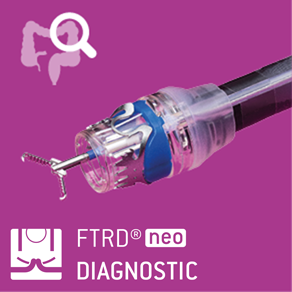
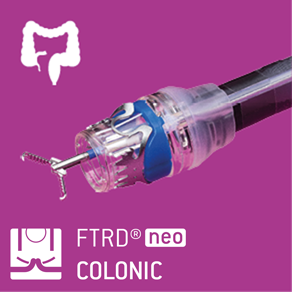
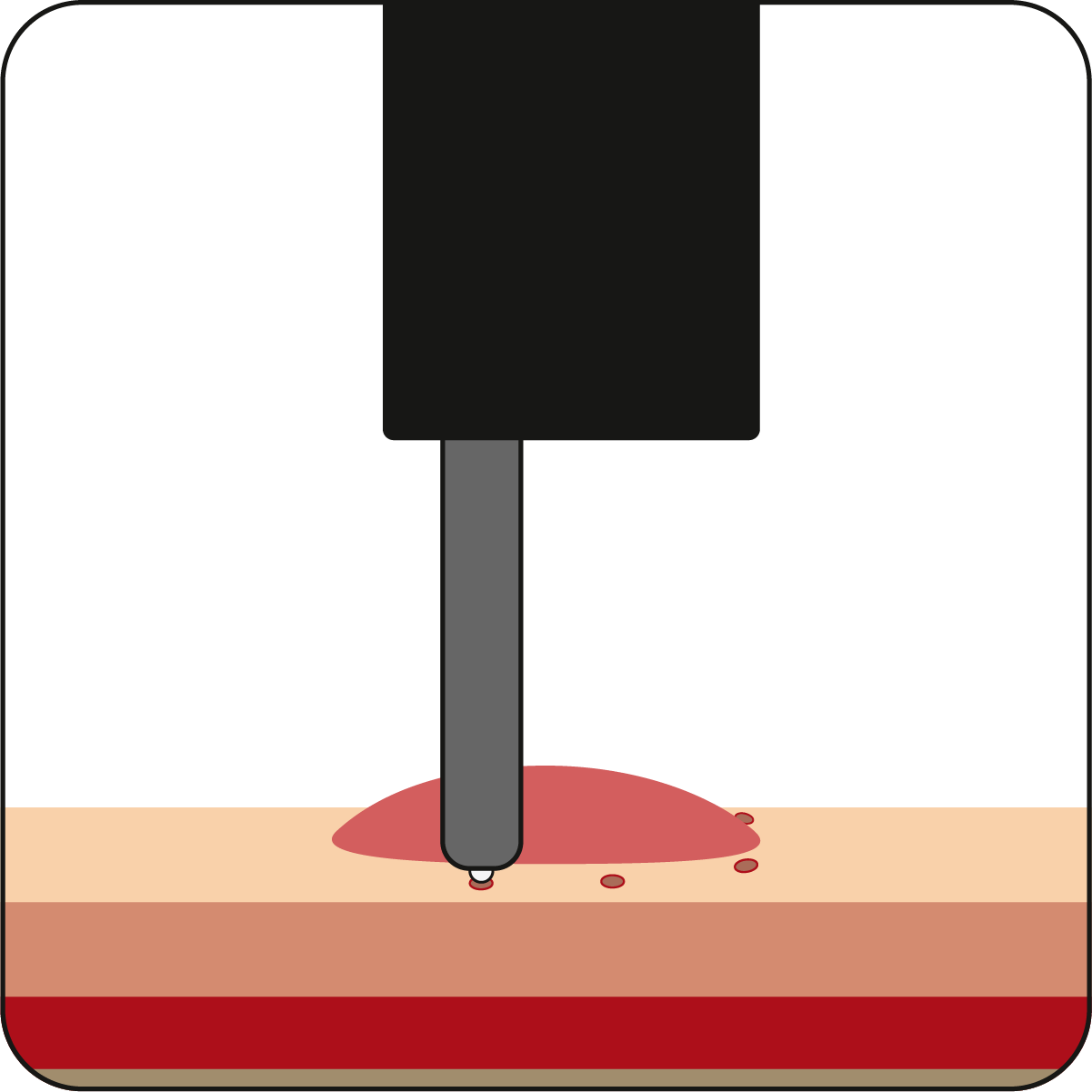
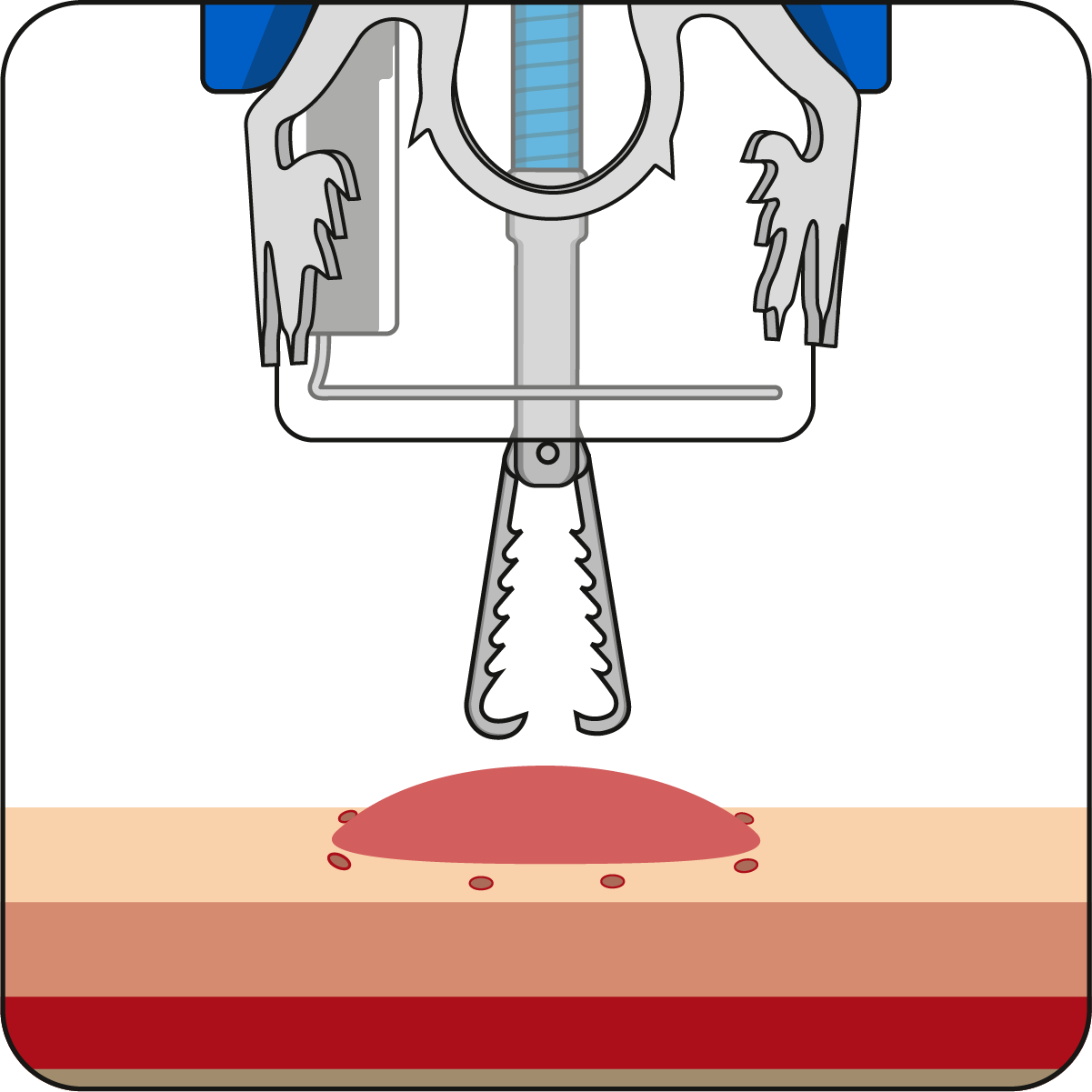
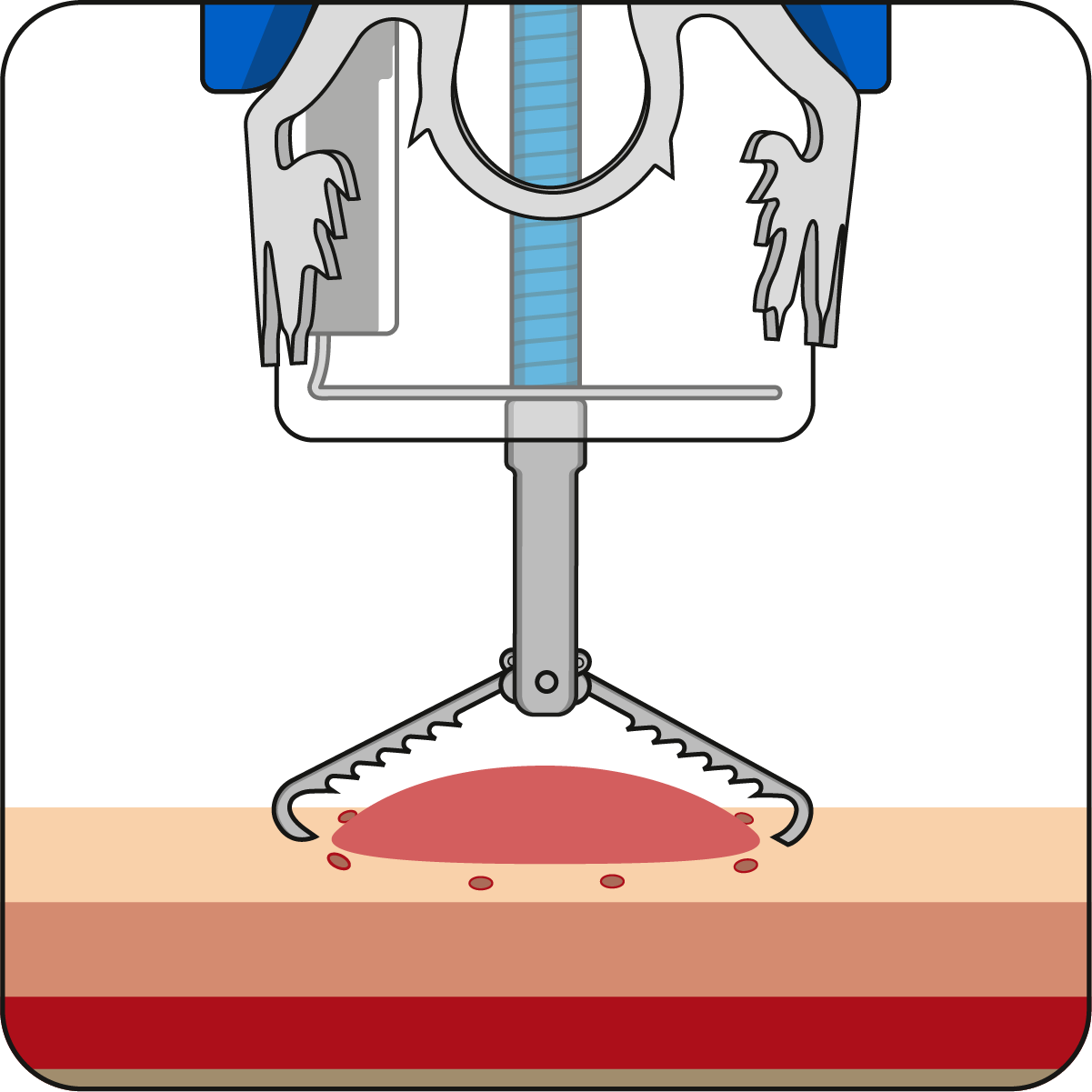
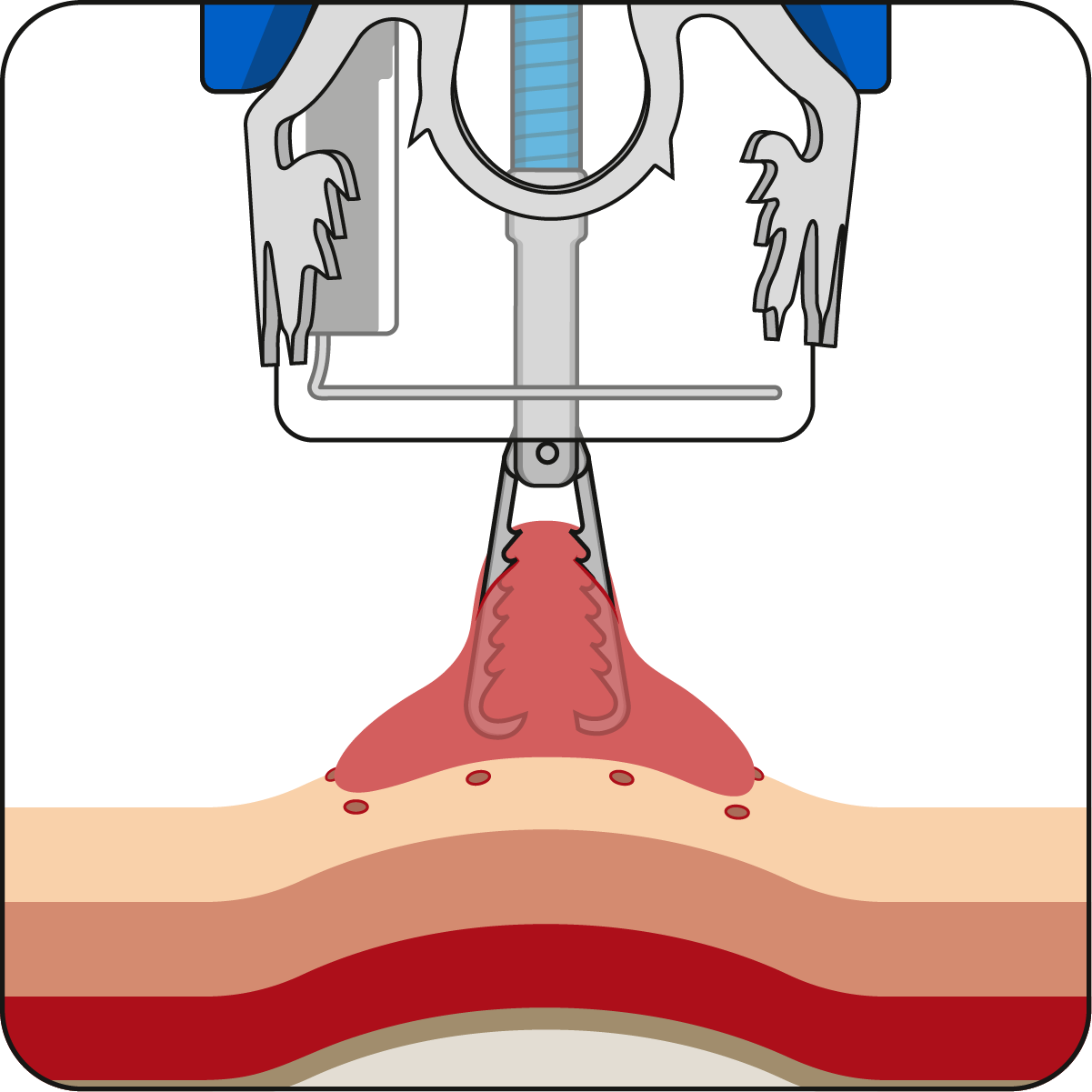
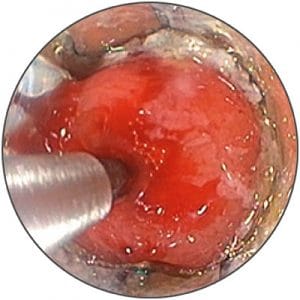
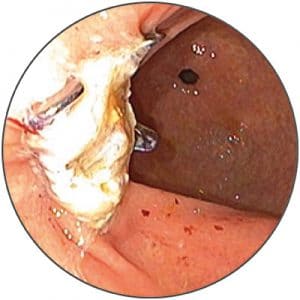
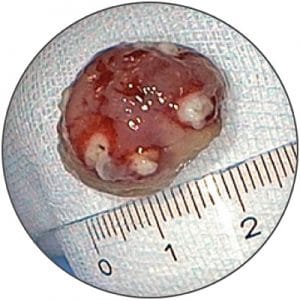
The gastroduodenal FTRD®neo is a more compact version of the FTRD®neo System designed for endoscopic full-thickness or deep partial-thickness resection (particularly in the stomach) as well as diagnostic tissue acquisition in the stomach and duodenum.
The gastroduodenal FTRD®neo may be used for:
- Non-lifting (recurrent) adenomas
- Small subepithelial tumors
- Follow-up resection of malignant polyps
- Submucosal tumors
- Early carcinomas
- Gastroparesis (via full-thickness biopsy)
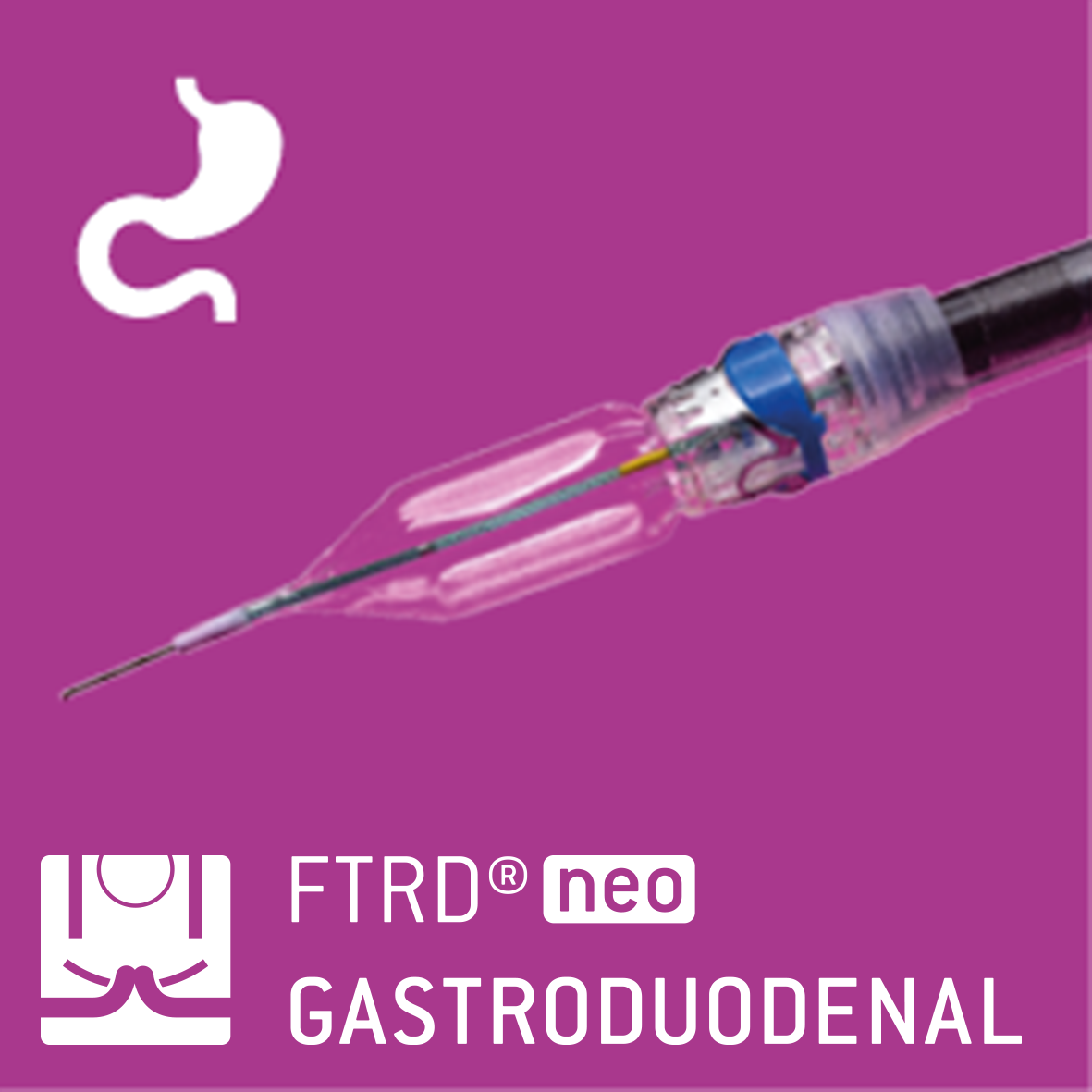
The gastroduodenal FTRD®neo
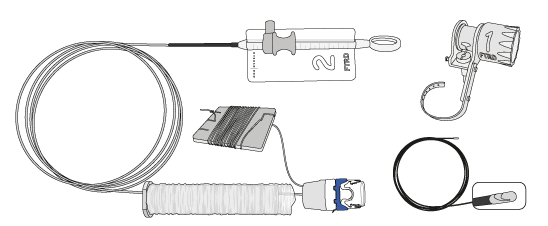
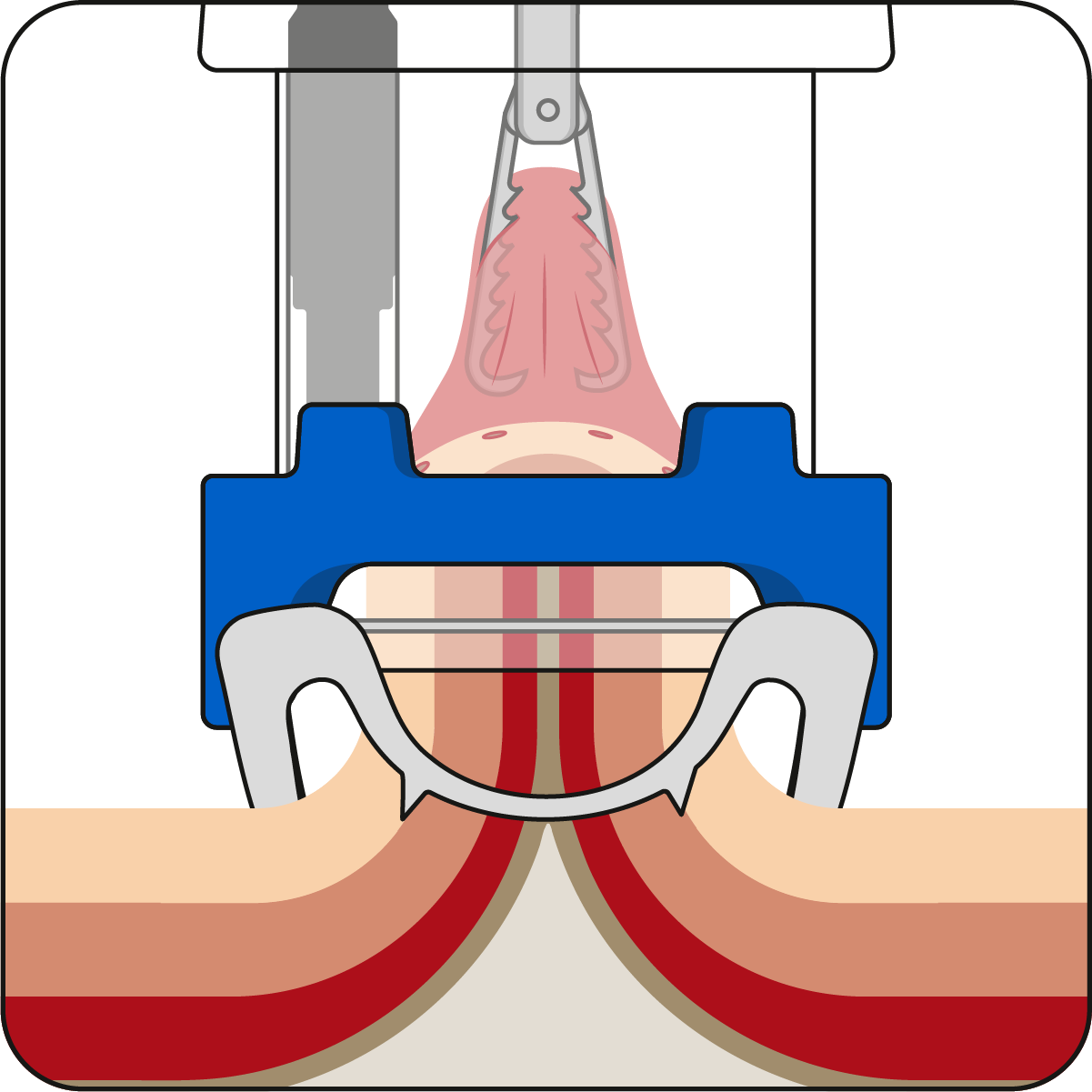
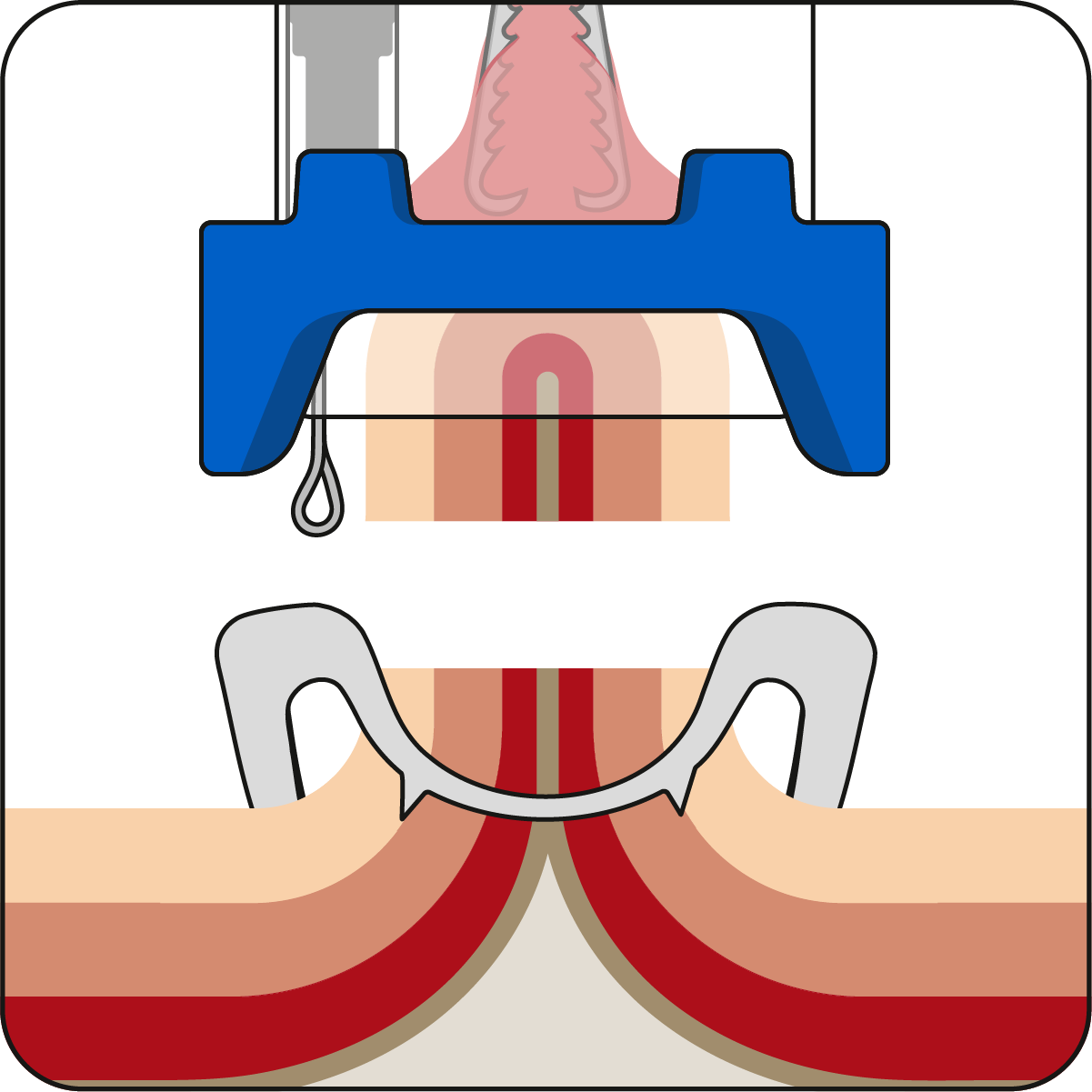
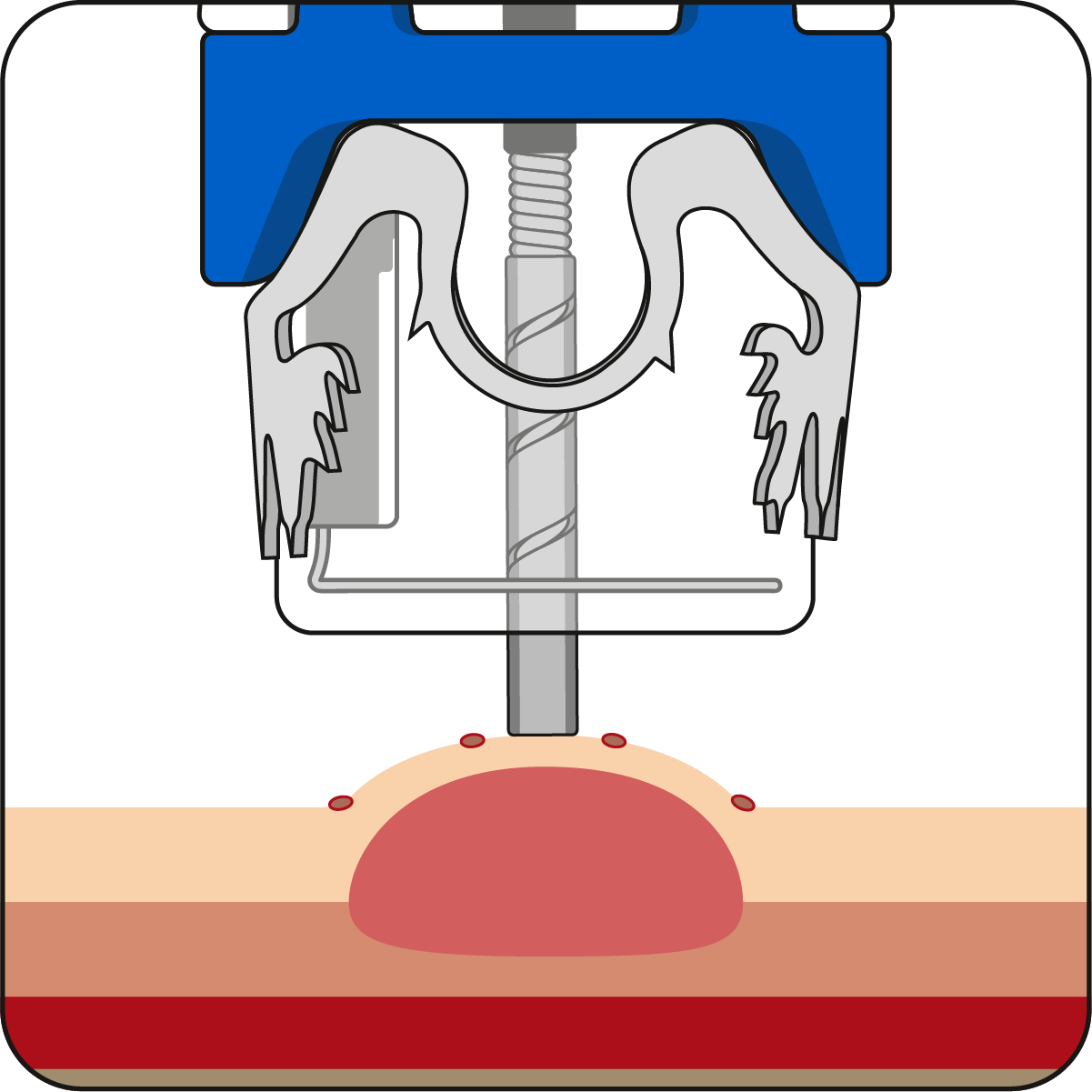
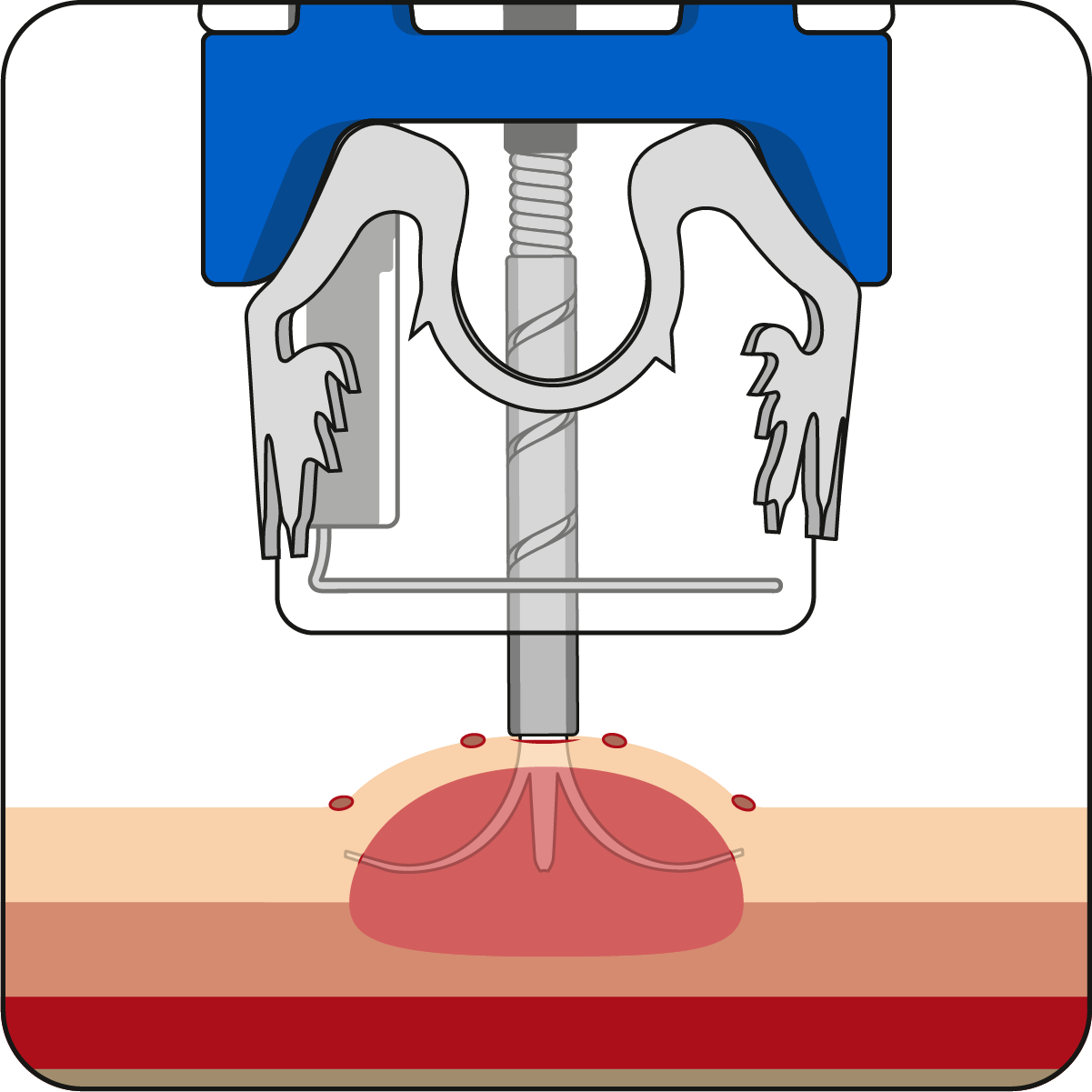
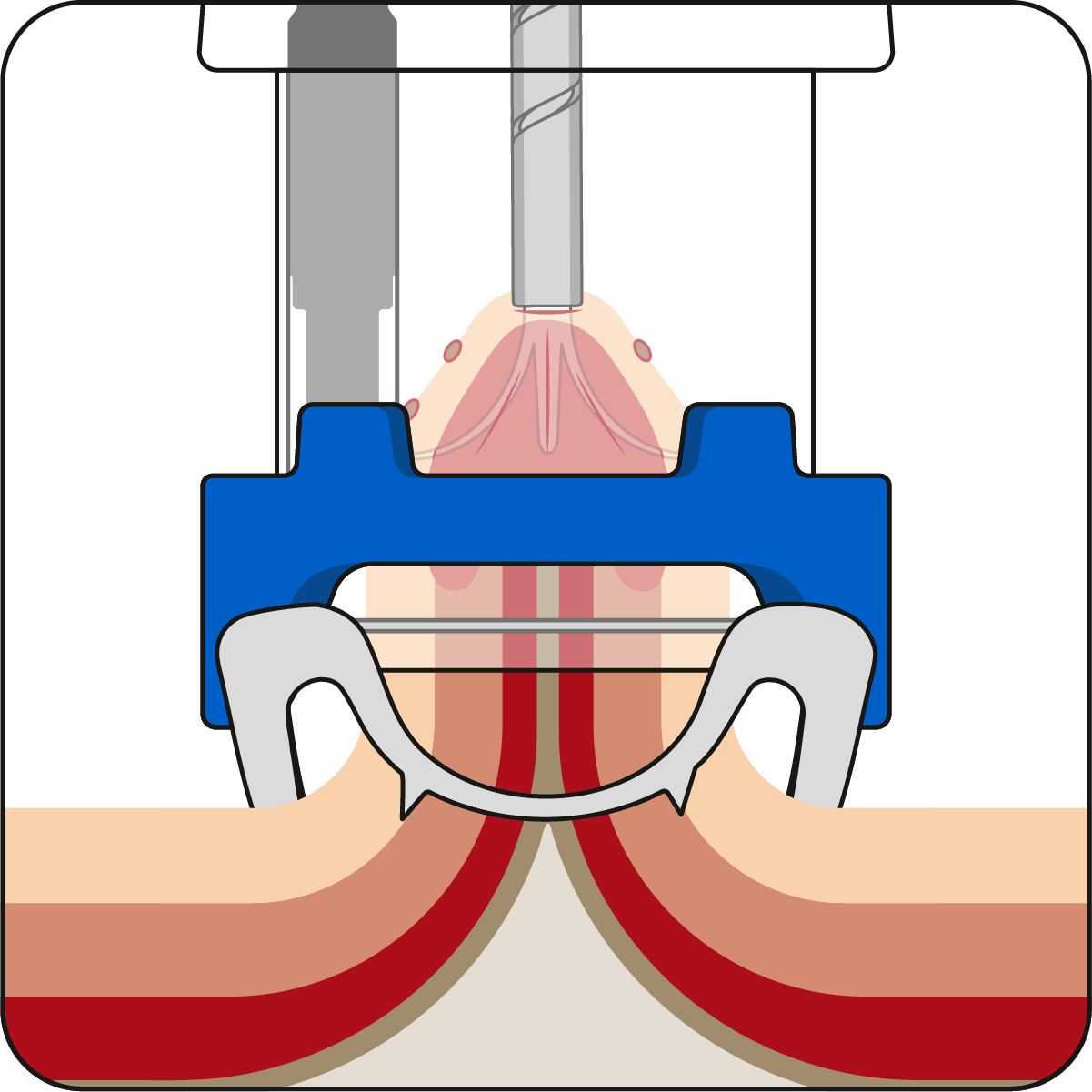
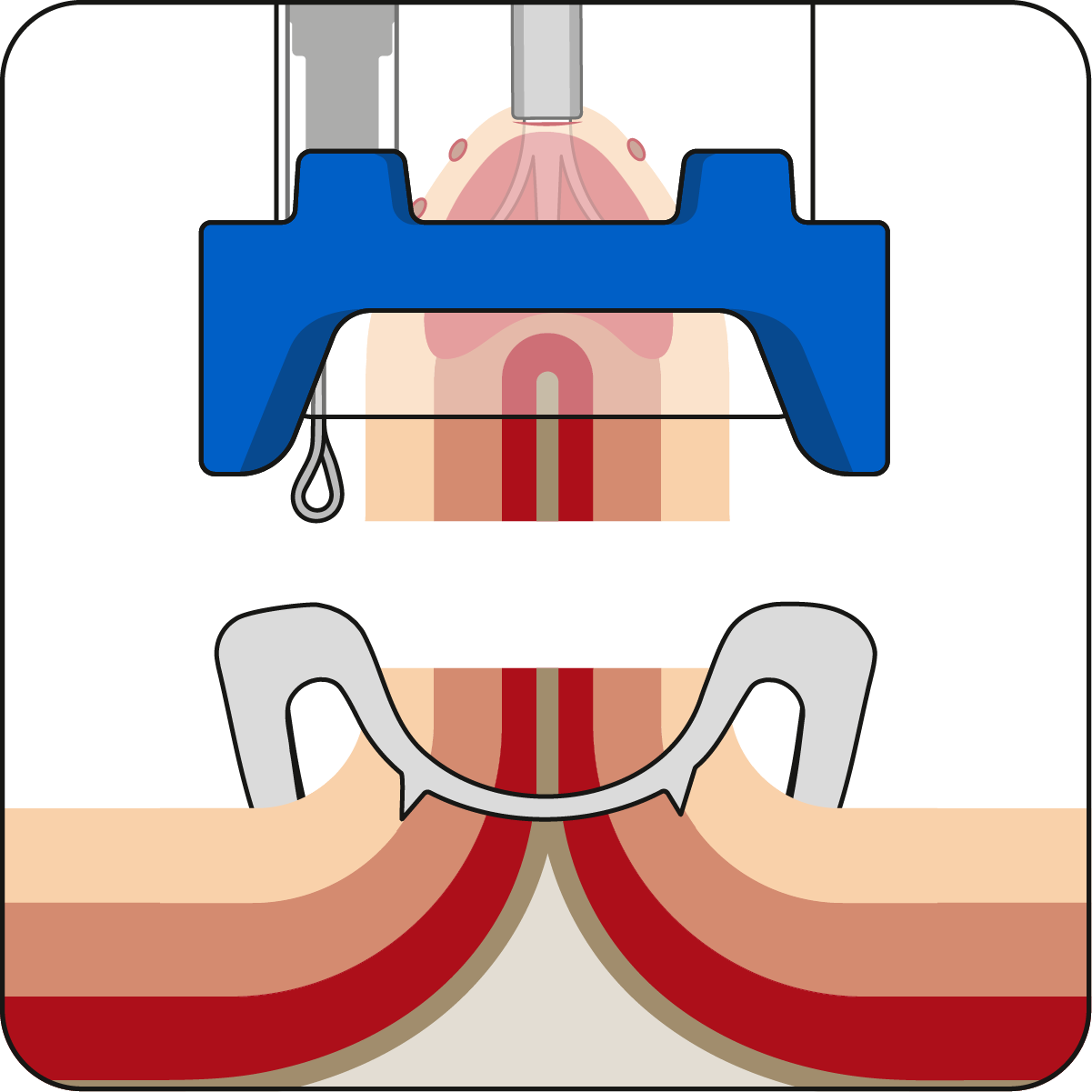
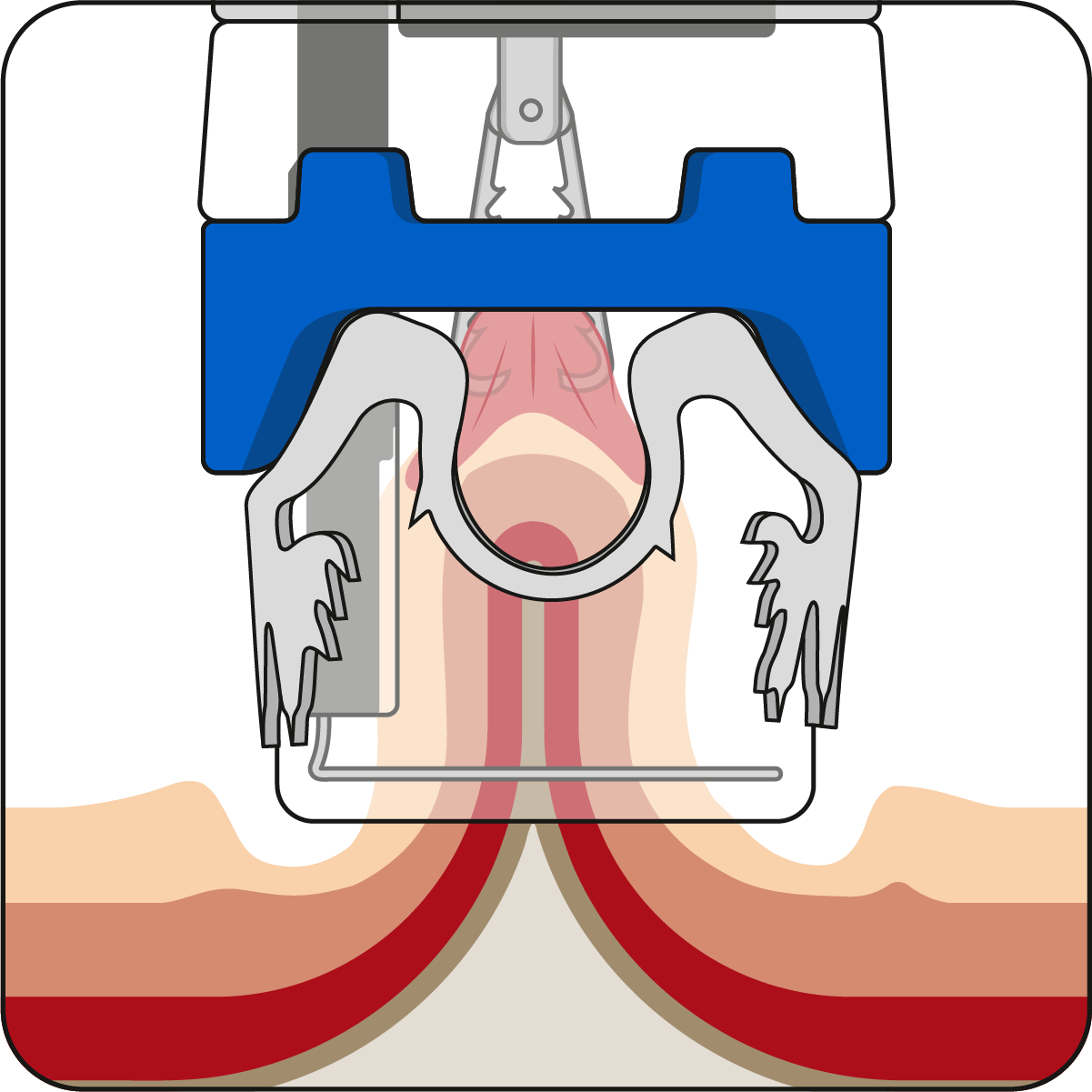
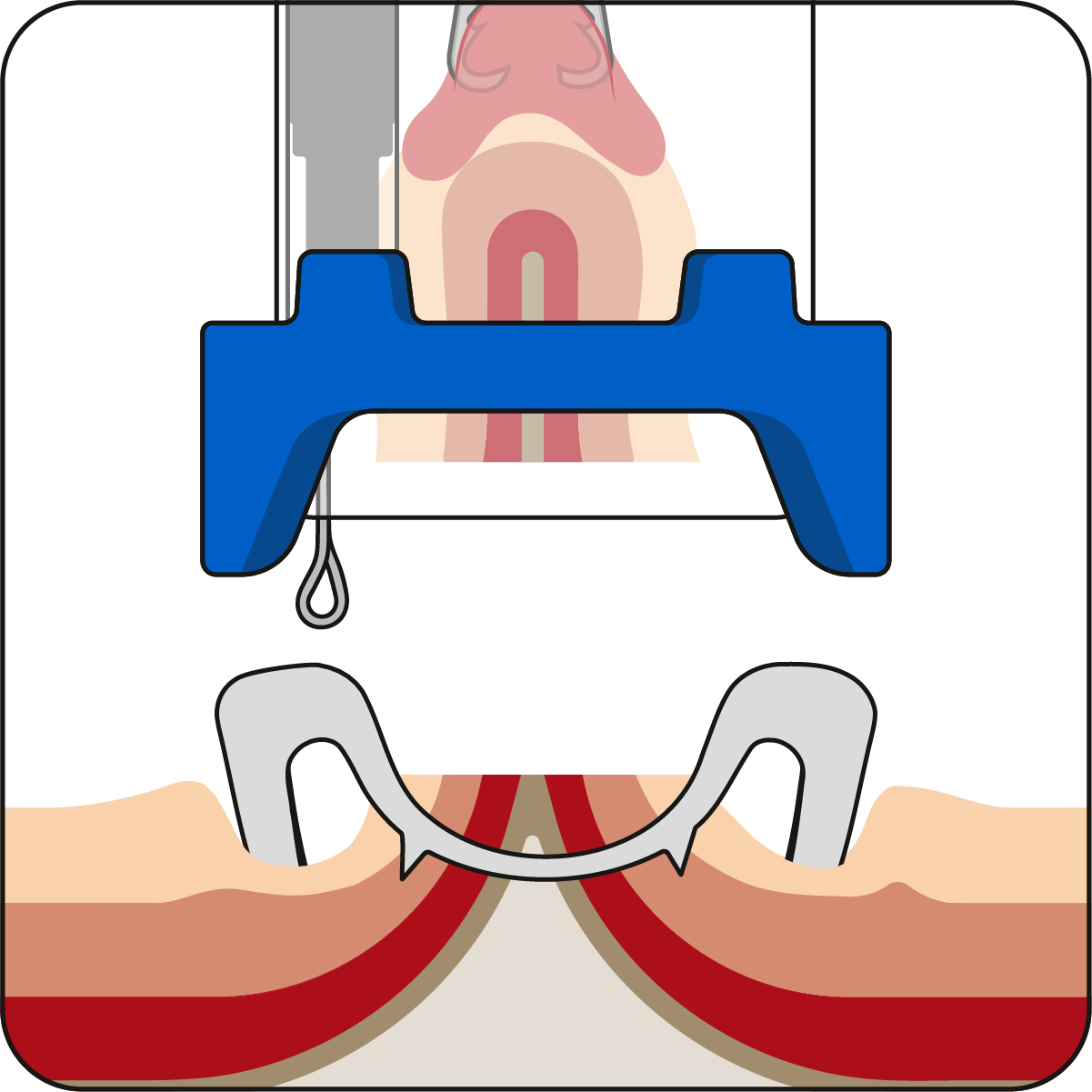
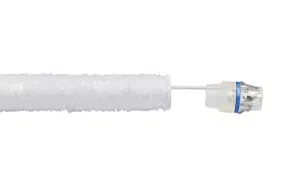
The gastroduodenal FTRD®neo consists of an application cap with pre-loaded FTRD®neo clip, integrated HF snare and thread, thread retriever, endoscope sleeve with adhesive tapes and FTRD®neo hand wheel.
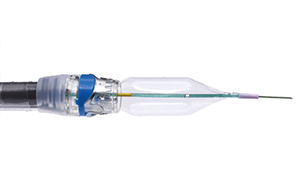
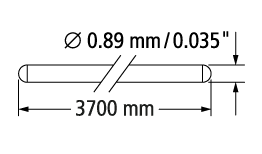
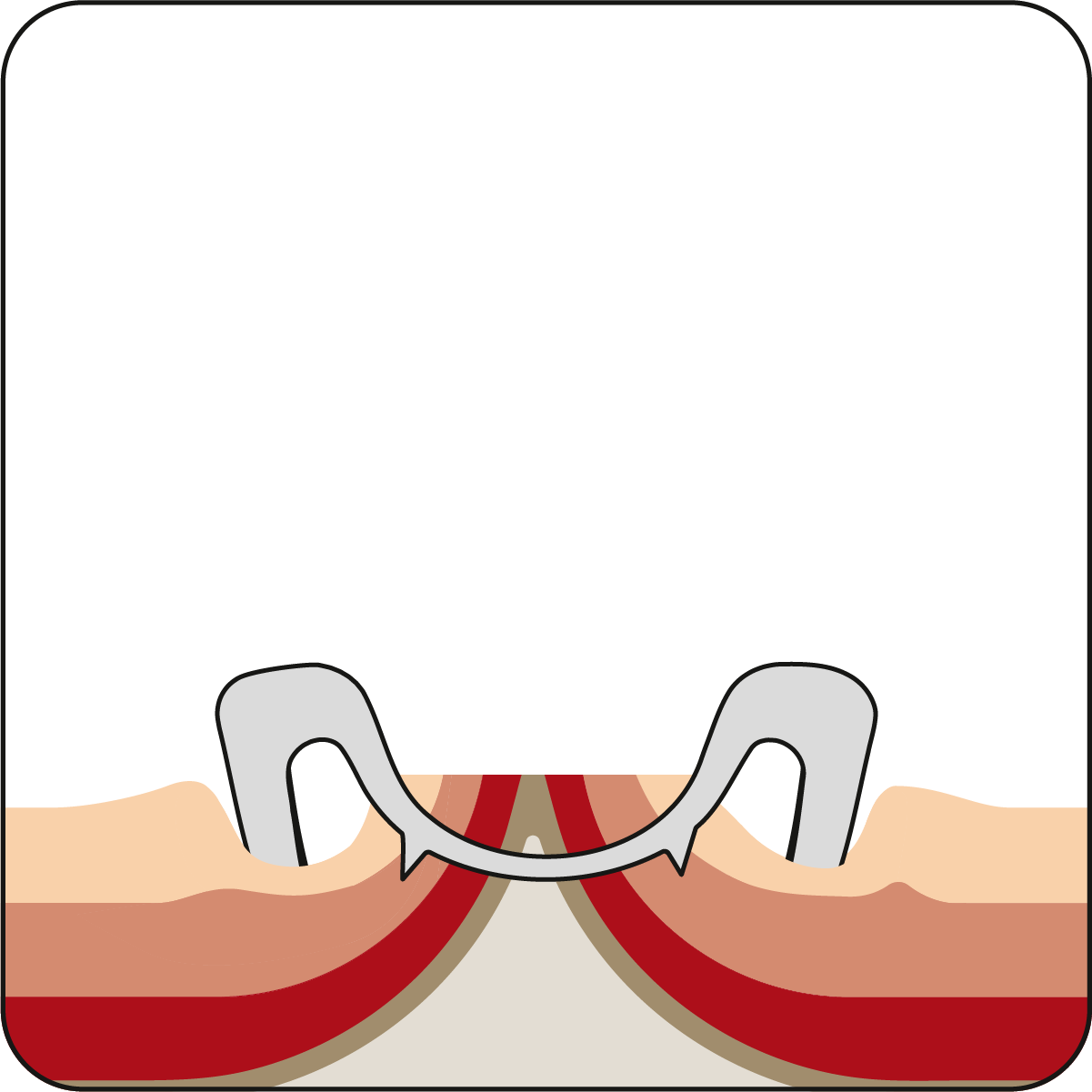
To facilitate safe and smooth insertion of the system into the upper GI-tract (specifically covering the esophageal/pyloric passage) the gastroduodenal FTRD®neo Set includes an insertion balloon and a guide wire. The clip of the gastroduodenal FTRD®neo has been specifically modified for use in the duodenum and stomach.
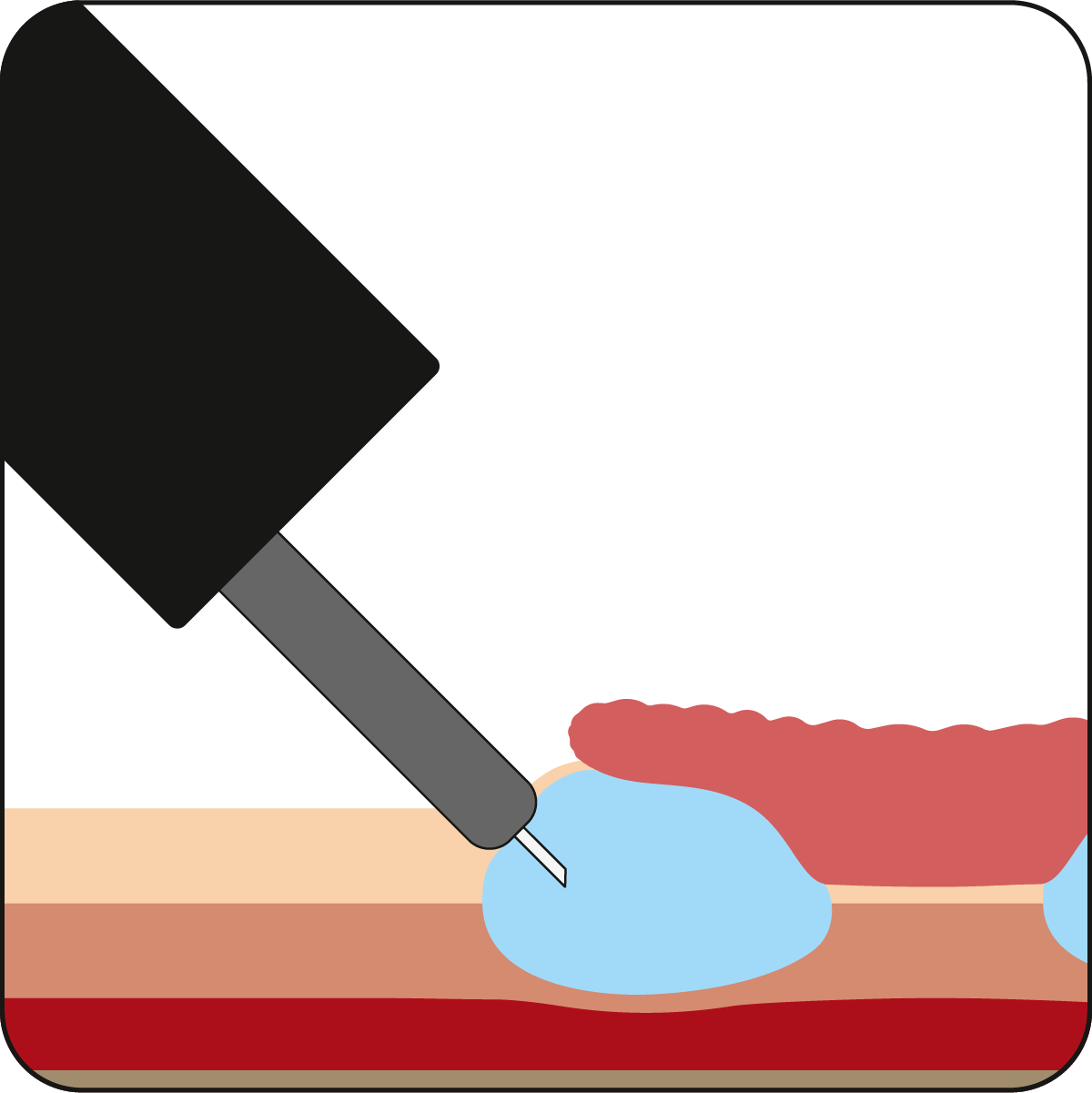
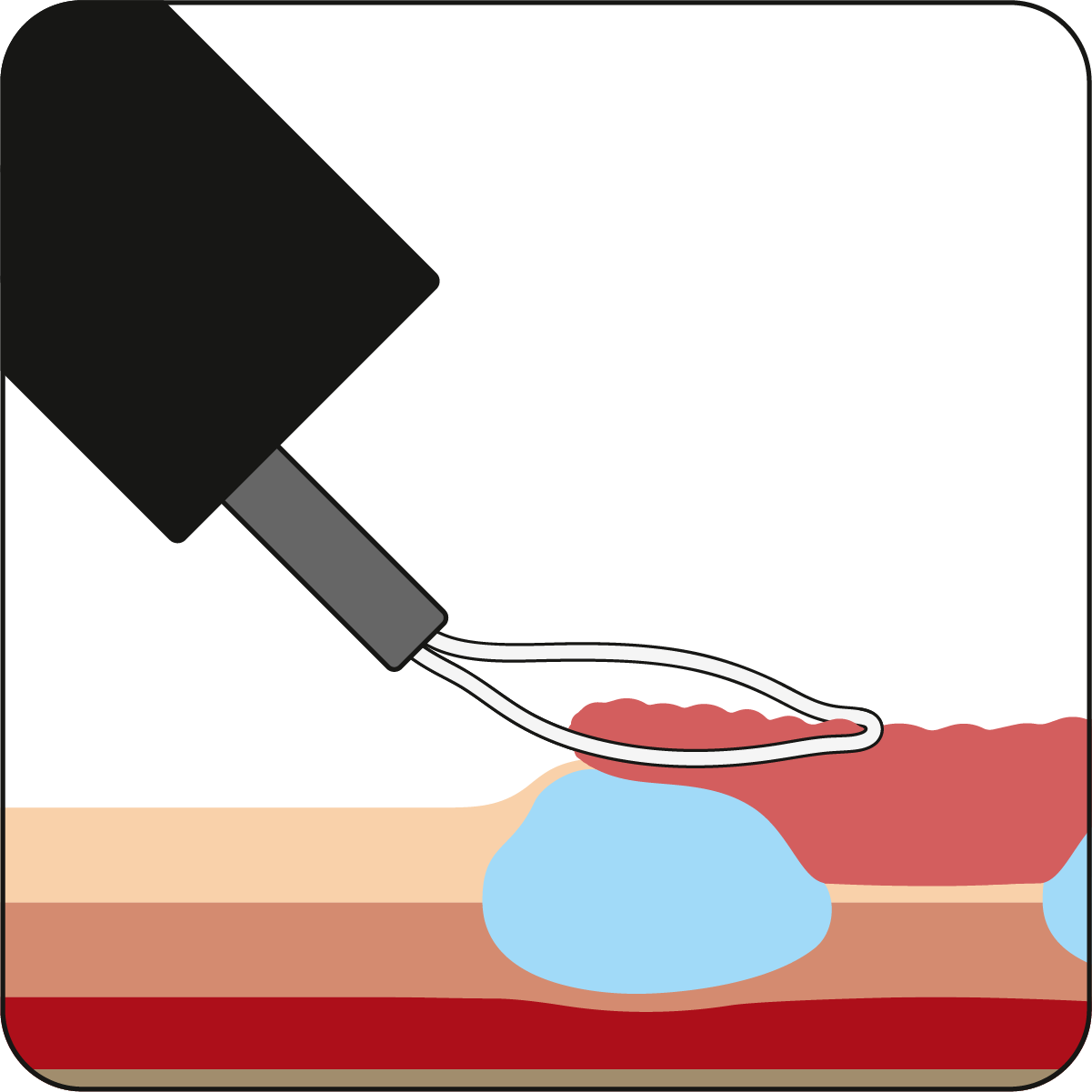
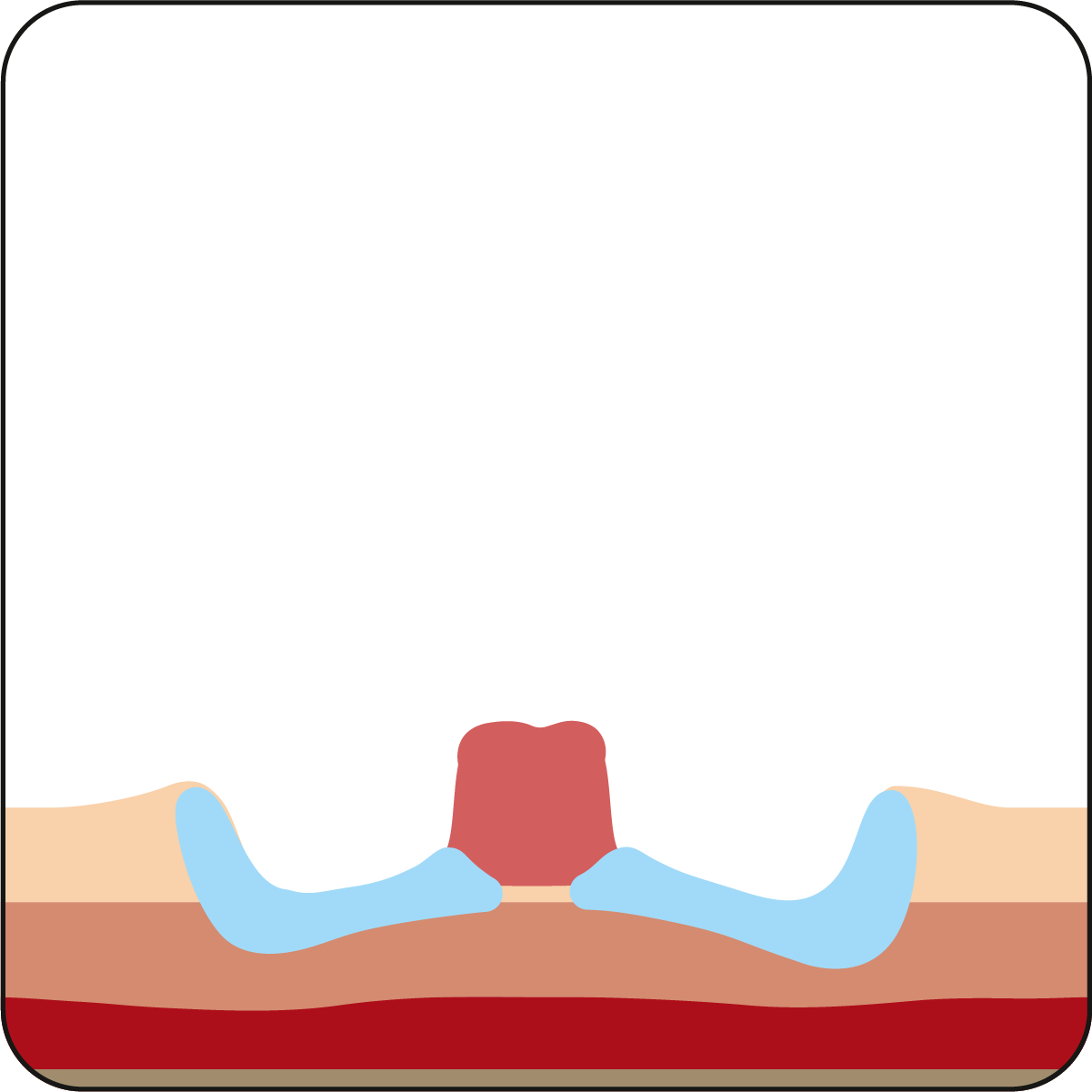
Before the procedure, the application cap is mounted onto the endoscope tip, with the snare running outside the endoscope and protected by the endoscope sleeve (Click here to watch the assembly video). Rotating the hand wheel tensions the thread and deploys the clip; the integrated HF snare then transects the tissue above the clip.
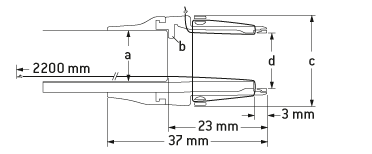
The gastroduodenal FTRD®neo is suitable for endoscopes with a diameter of 10.5 – 12.0 mm and a working channel diameter of at least 3.7 mm.
The gastroduodenal FTRD®neo Set
The gastroduodenal FTRD®neo is delivered as a complete procedure set and consists of the following products:
- gastroduodenal FTRD®neo
– gastroduodenal FTRD®neo application cap with pre-loaded clip and thread
– Integrated HF snare at the distal cap end
– FTRD®neo hand wheel with silicone strap fixation
– Thread retriever
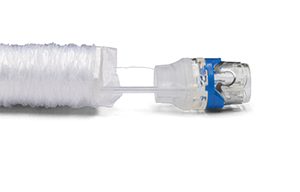
– Endoscope sleeve with adhesive tapes
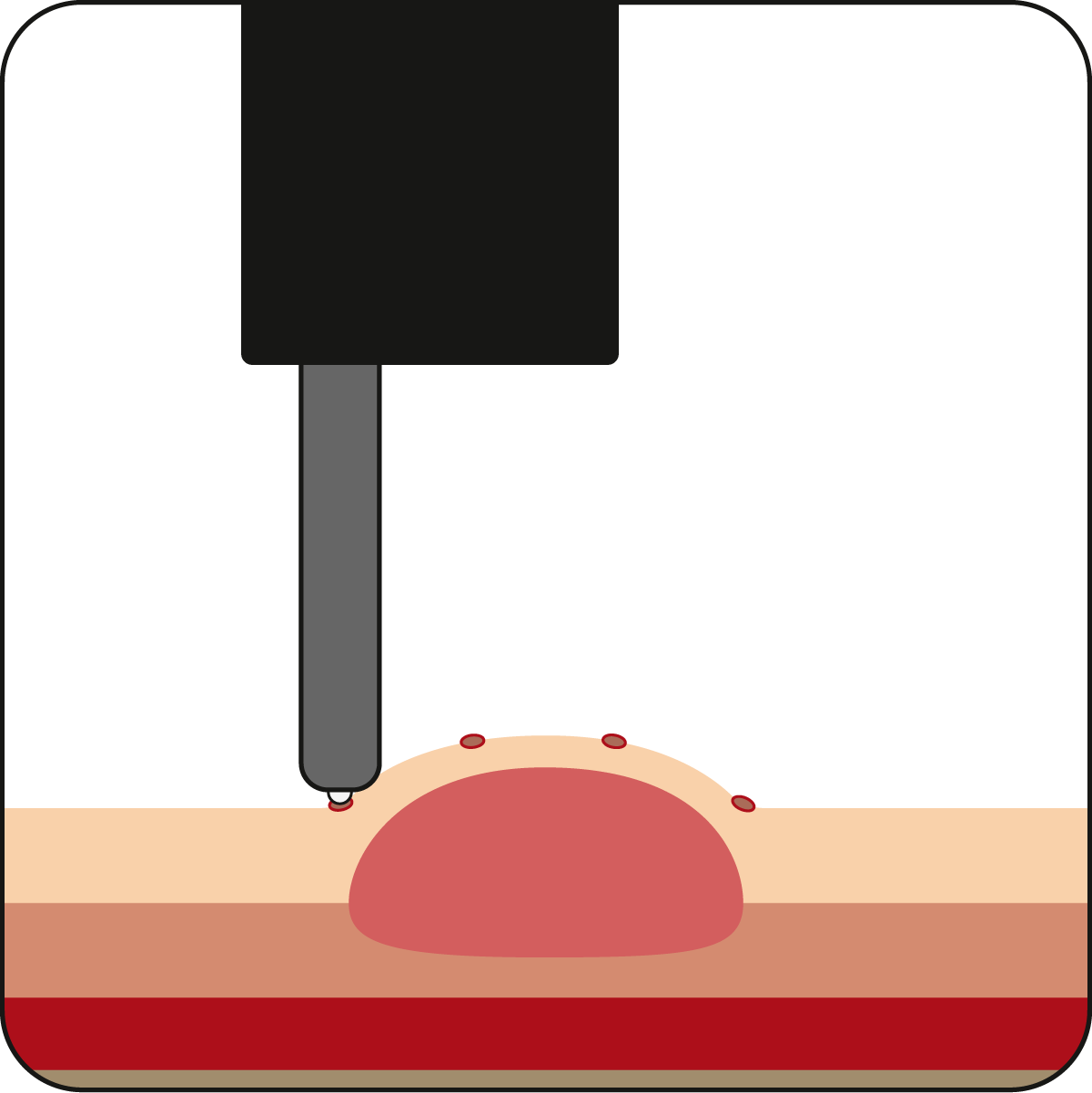
- FTRD® Marking Probe
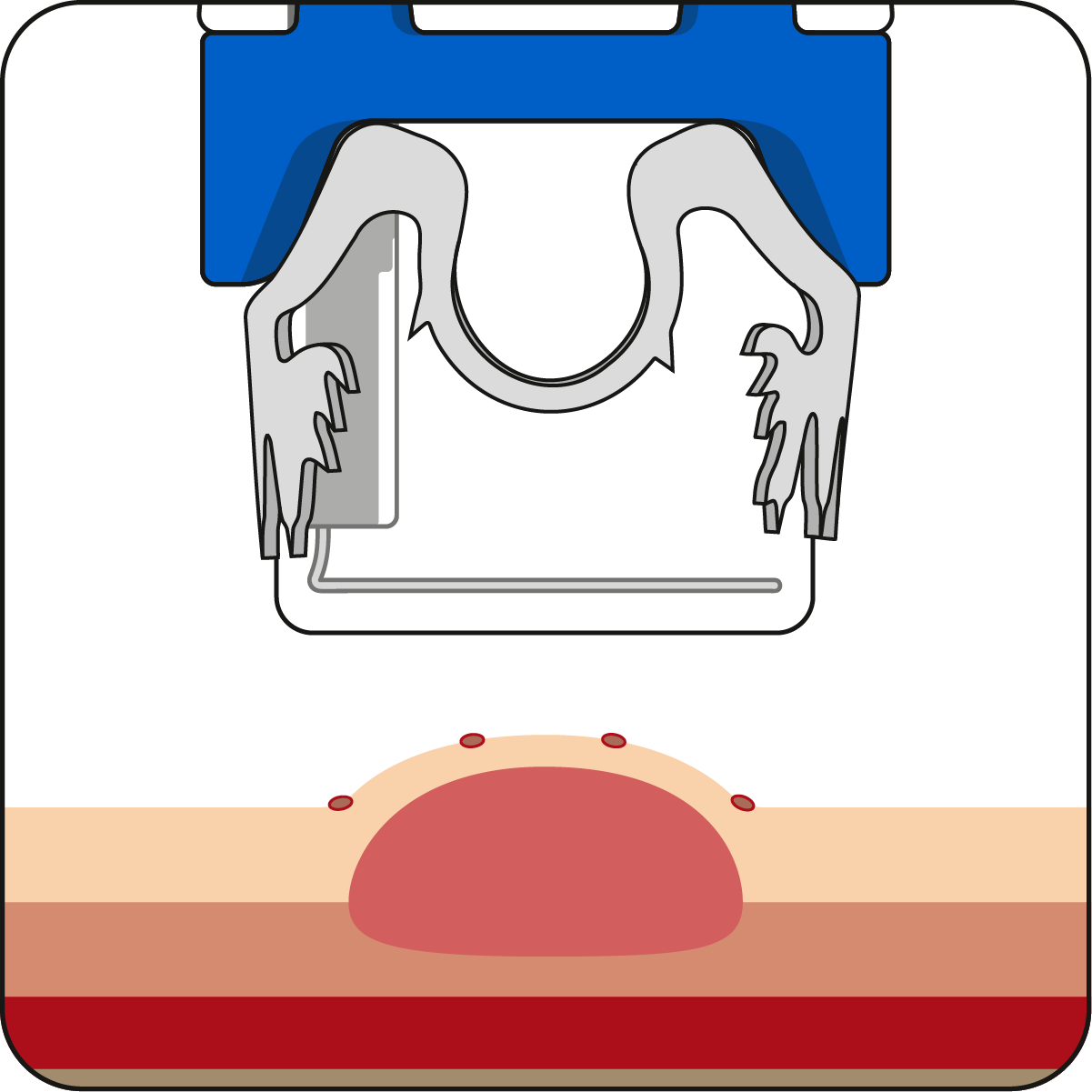
- FTRD® Grasper
- Insertion balloon
- Guide wire
For improved tissue mobilization in submucosal lesions (especially in the stomach), the OTSC® Anchor 220tt (not included in the procedure set) may serve as an alternative to the FTRD® Grasper.
Participation in a training course is mandatory prior to purchasing and using the gastroduodenal FTRD®neo.


 Deutsch
  Français
  Español
  Português