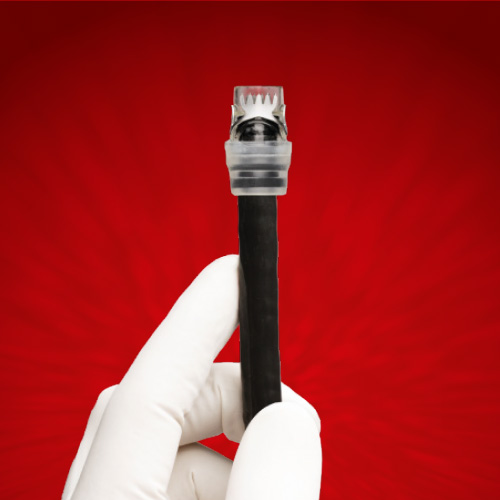
Endoscopic full-thickness resection

From surgery to endoscopy – background and development

Closing the gap between endoscopy and surgery

Certain lesions in the gastrointestinal tract have long been reserved for surgical treatment: those with a “non-lifting sign” (lesions that do not lift after submucosal injection) as well as lesions in anatomically hard-to-reach locations. These include scarred recurrent polyps, early-invasive T1 carcinomas, subepithelial tumors, and lesions at the appendix ostium or within diverticula. Conventional endoscopic techniques such as endoscopic mucosal resection (EMR) or endoscopic submucosal dissection (ESD) do not offer a suitable resection option for such lesions: The risk of perforation with ESD is elevated 1, piecemeal resections are associated with recurrence rates of up to 20% 2,and transanal procedures (TEM, TAMIS) remain anatomically limited to the rectum 1 – meaning that surgical segmental resection, with its associated morbidity, is often necessary for these lesions.

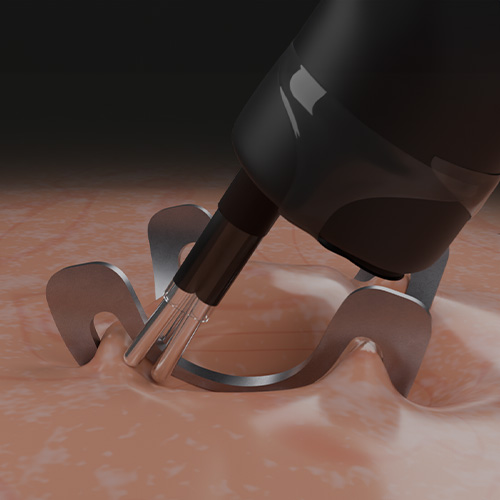
The development of the OTSC® System by Ovesco Endoscopy laid the foundation for the “clip-and-cut” principle of modern EFTR 3: occlusion and full-thickness resection of the organ wall in a single step, without opening the organ lumen (non-exposed EFTR) 4. With the CE approval of the FTRD® System in September 2014 3 endoscopic full-thickness resection is now an established procedure, supported by more than 140 publications, and has continued to evolve ever since. The FTRD® System is now available in three versions – for colorectal resections ( colonic FTRD®neo ), for lesions in the stomach and duodenum
( gastroduodenal FTRD®neo ), and for diagnostic full-thickness biopsy ( diagnostic FTRD®neo ). The FTRD® System thus effectively bridges the gap between endoscopy and surgery.

The FTRD®neo System – the next generation of endoscopic full-thickness resection

Peak Performance in Clip application

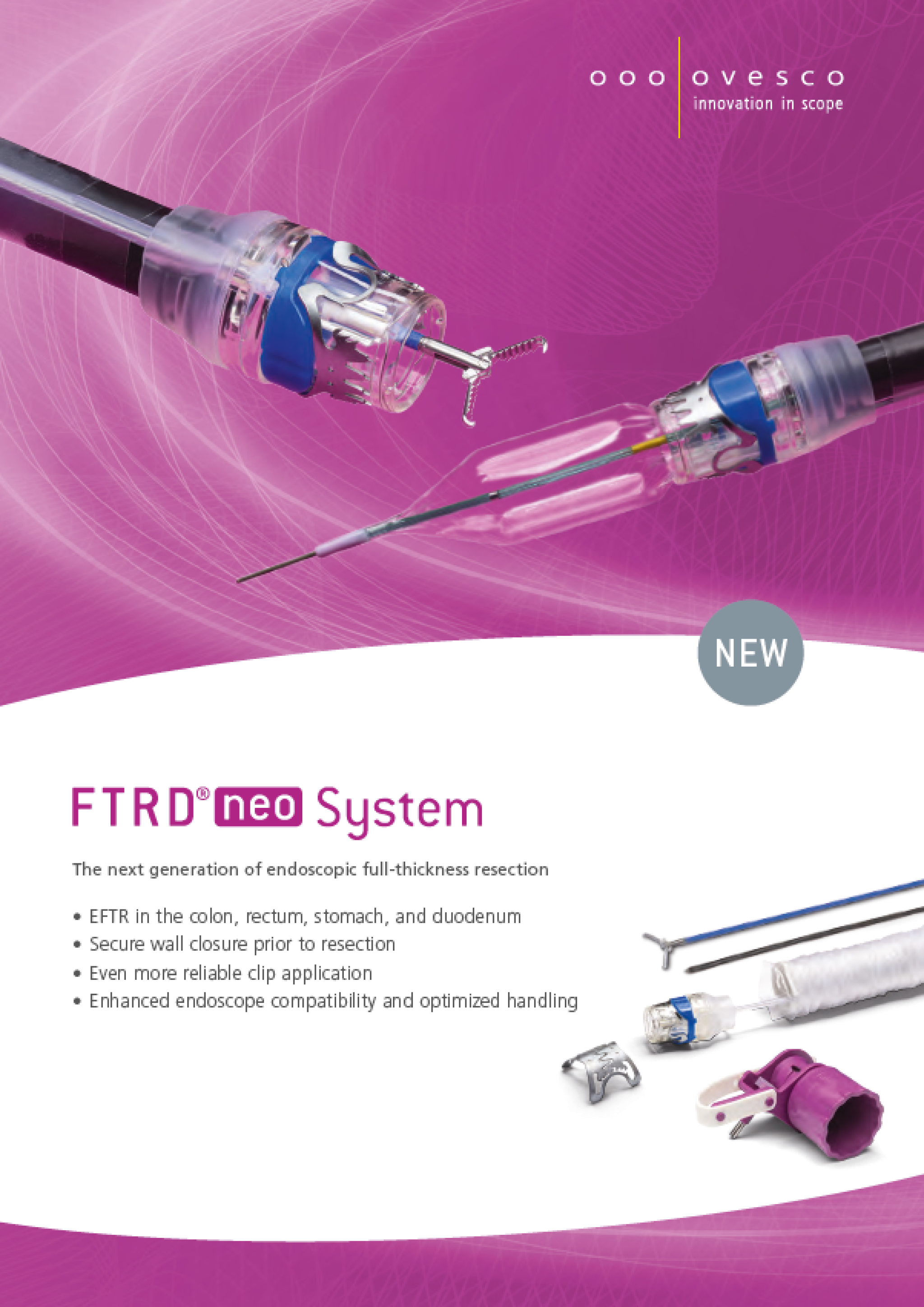
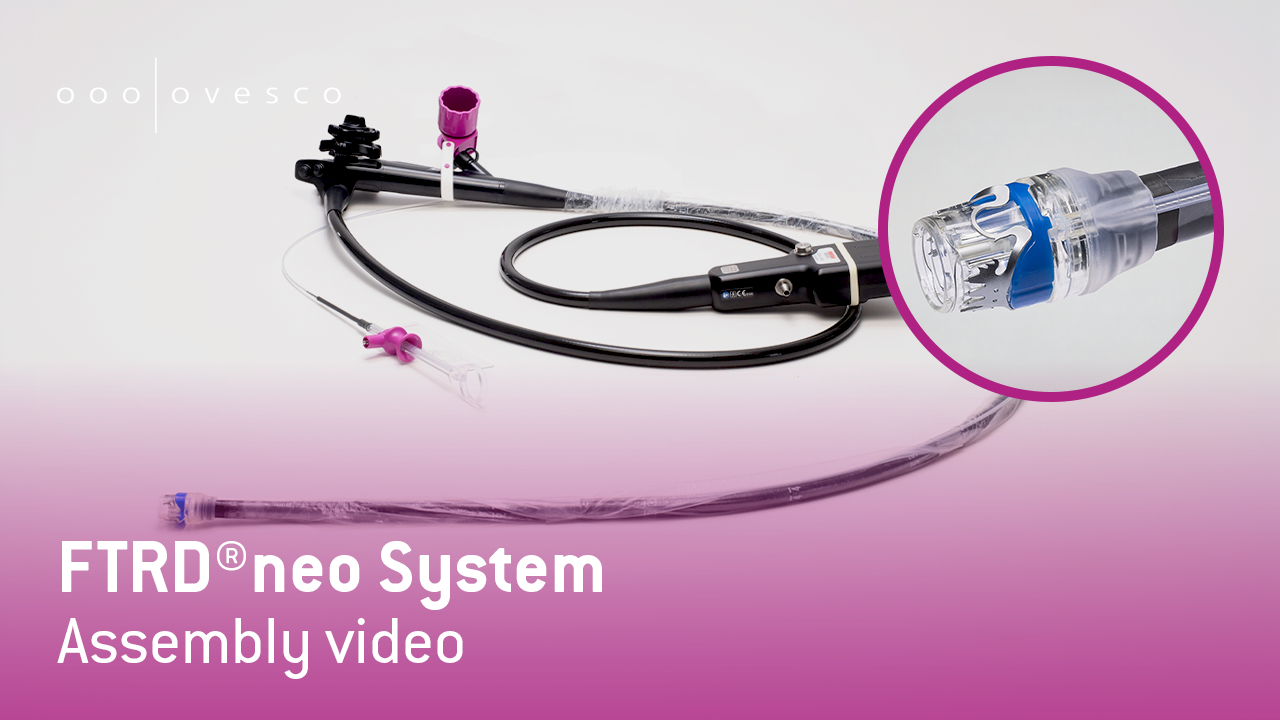
The FTRD®neo System is an evolution of the proven FTRD® System. The design optimizations are based on the clinically proven innovations of the OTSC®neo and have been incorporated into the FTRD® System. The clinical efficacy and safety of the proven system remain fully intact, complemented by targeted improvements in clip application, handling, and endoscope compatibility for even greater reliability in everyday clinical practice.

The procedure

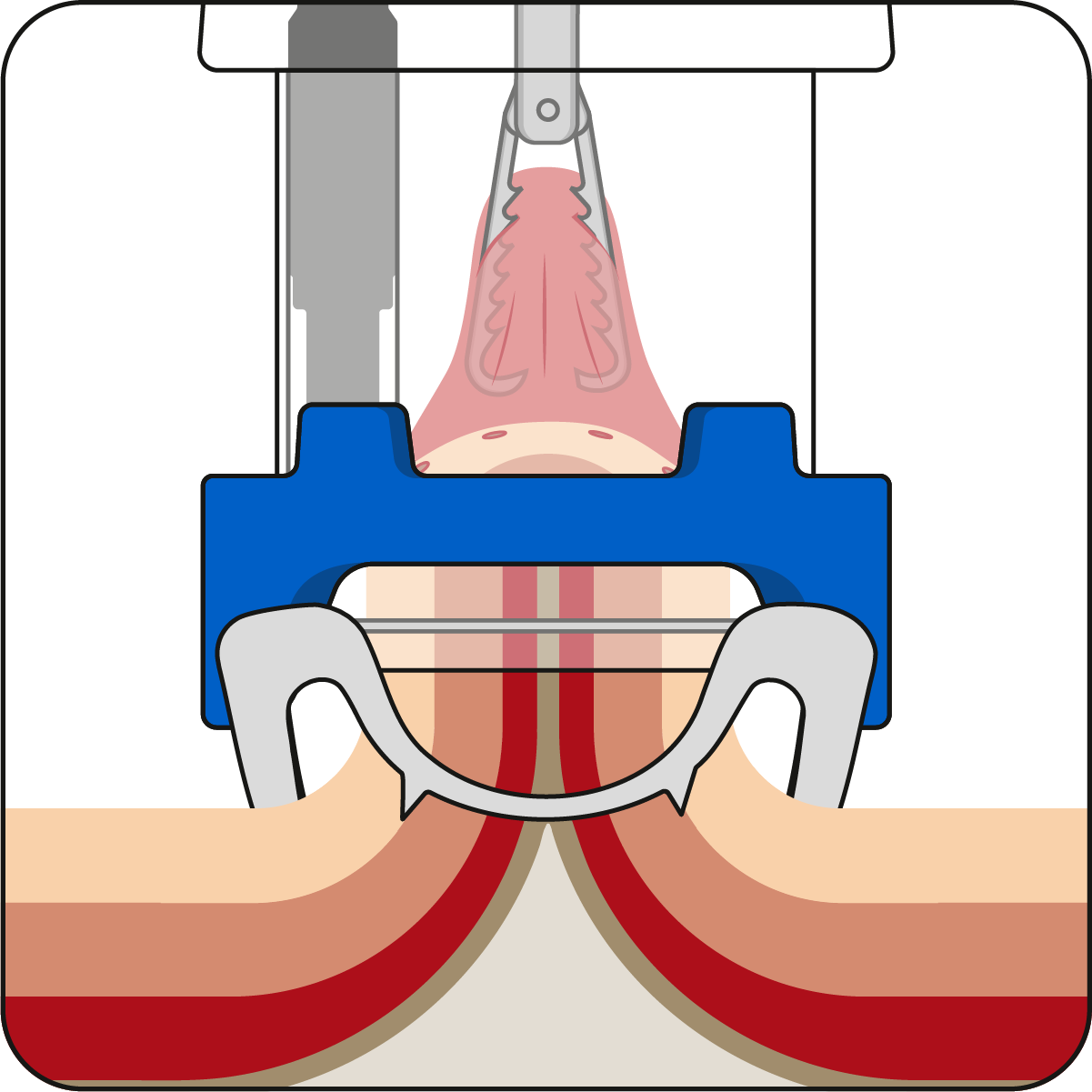
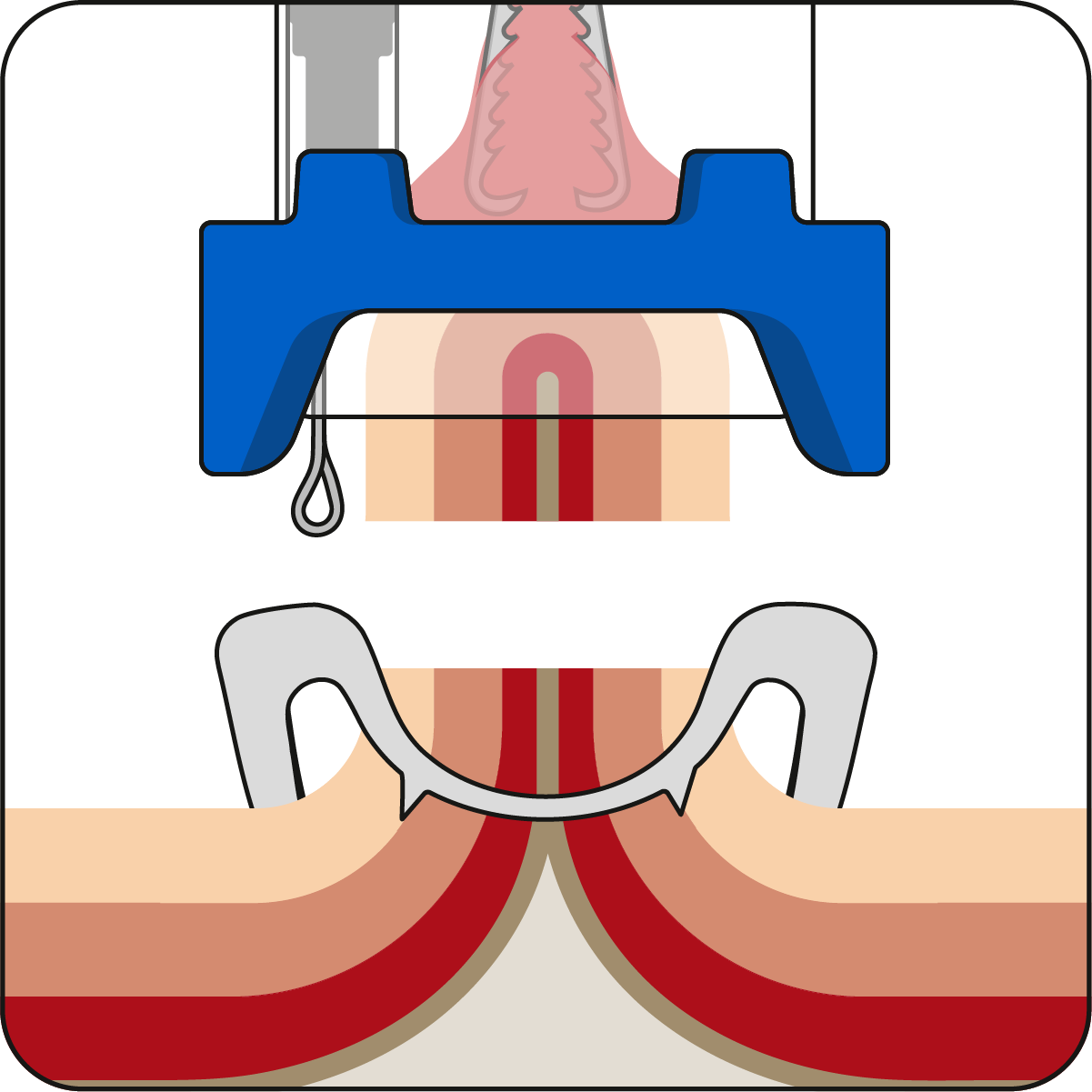
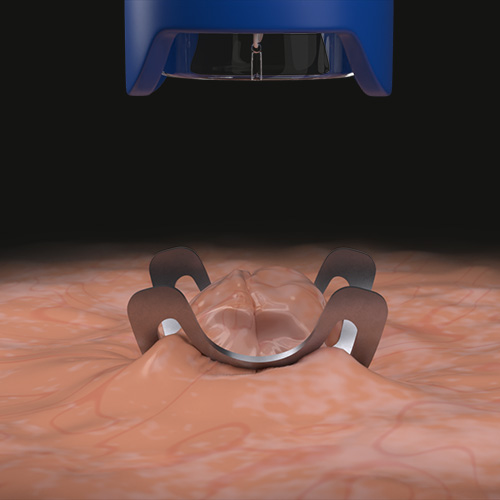
The FTRD®neo System (Full-Thickness Resection Device) enables endoscopic resection of lesions, including all wall layers, up to to the serosa (endoscopic full-thickness resection, EFTR). What makes this procedure unique: The preloaded clip securely seals the resection site before the actual tissue is cut, thus preventing the organ lumen from opening. Wall closure (using the proven OTSC® technique) and resection are performed sequentially in a single endoscopic procedure.

Procedure:
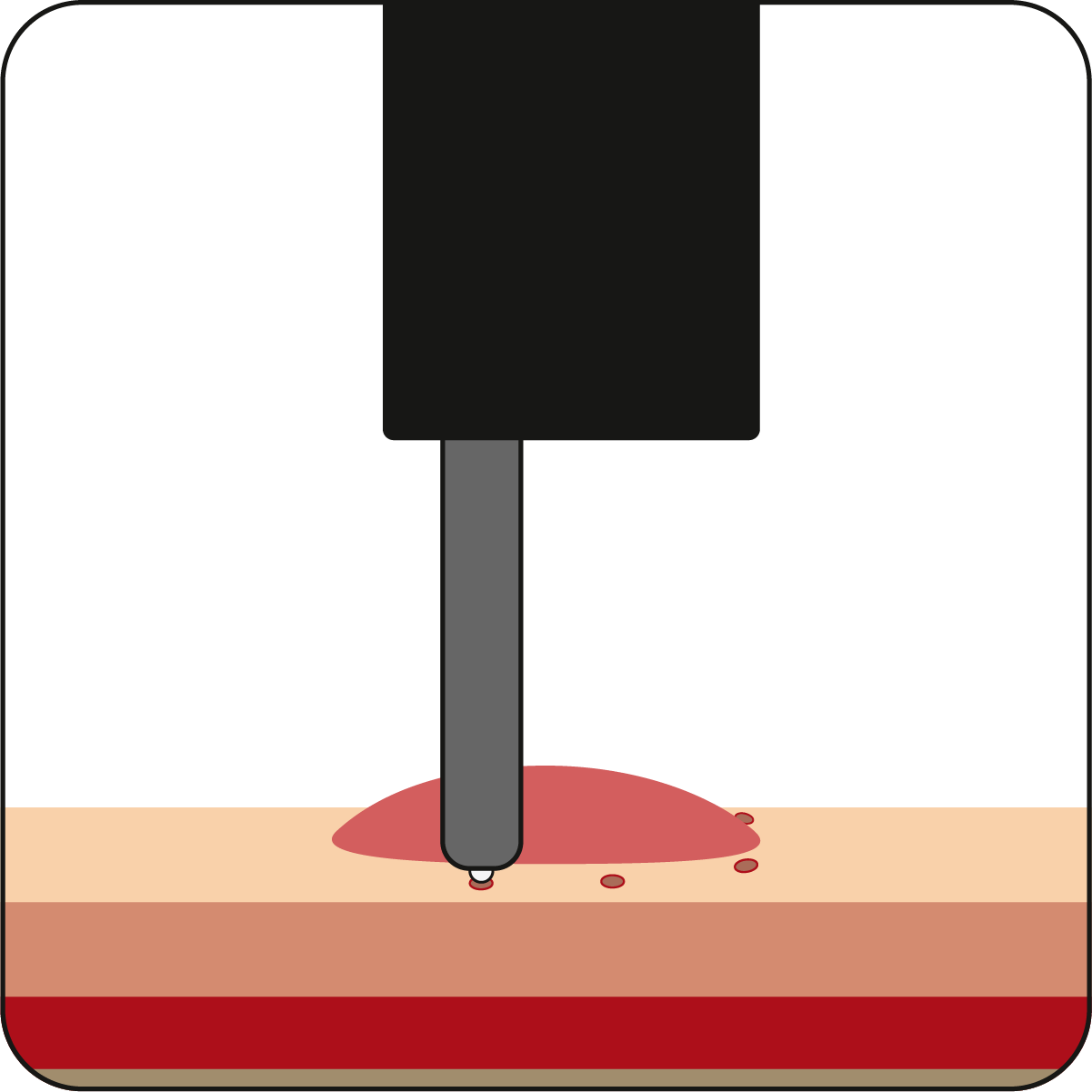
Mark the target lesion with the FTRD® Marking Probe
Guide the endoscope to the resection site and position the lesion
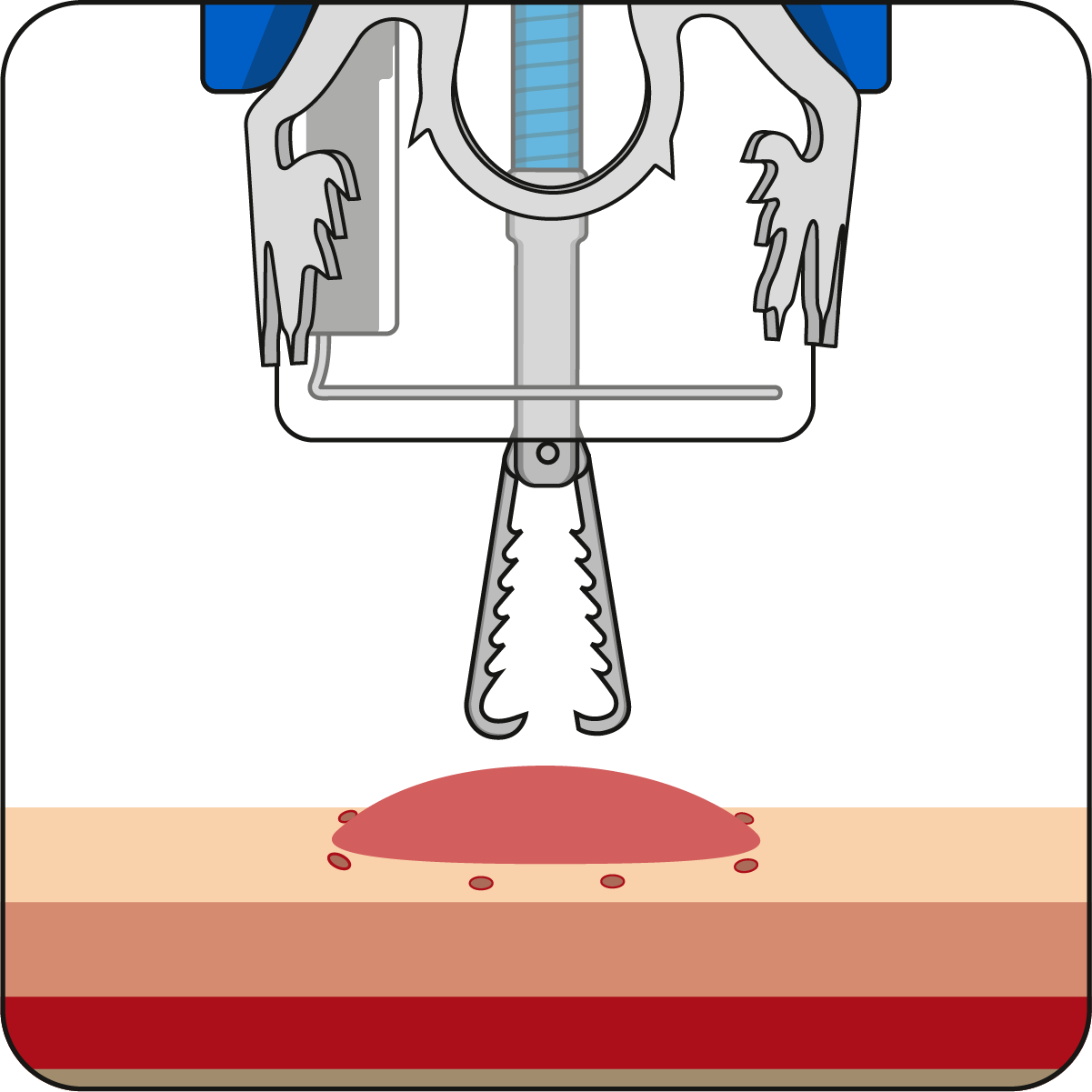
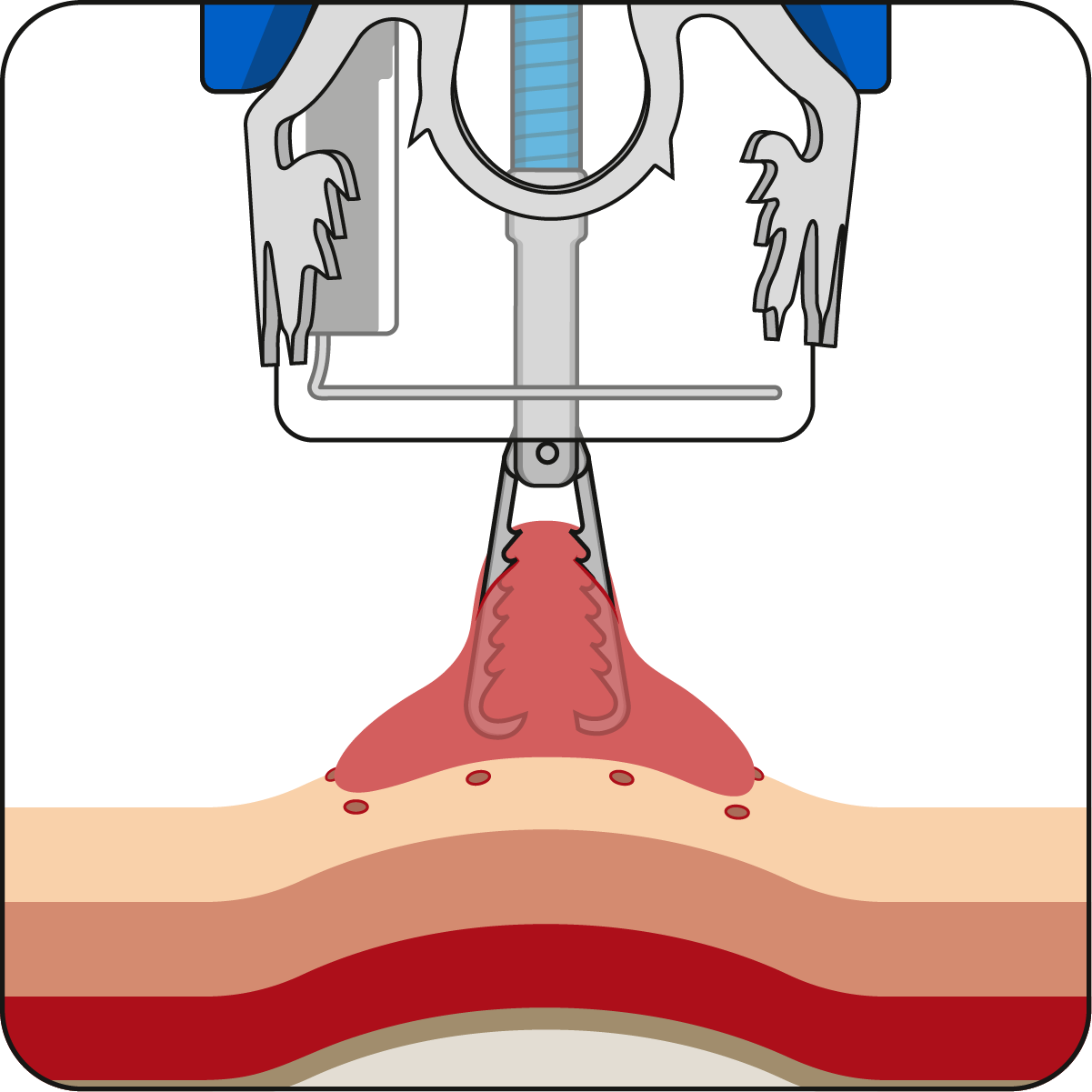
Grasp the lesion with the FTRD® Grasper and mobilize it into the application cap
Ensure that the lesion is completely inside the cap; secure the FTRD® Grasper; apply the clip (secure wall closure)
Resect the tissue grasped by using the integrated HF snare and retrieve the full-thickness resected specimen for histological examination

Indications

Full-thickness resection and diagnostic tissue sampling in the colon and rectum (colonic FTRD®neo)

  • Non-lifting (recurrent) adenomas
  • Adenomas in difficult locations (on/in diverticula, at the base of the appendix)
  • Small subepithelial tumors
  • Post-resection of malignant polyps
  • Submucosal tumors
  • Early-stage carcinomas

Full-thickness / deep partial-thickness resection and diagnostic tissue sampling in the stomach and duodenum (gastroduodenal FTRD®neo)

  • Non-lifting (recurrent) adenomas
  • Small subepithelial tumors
  • Post-resection of malignant polyps
  • Submucosal tumors (e.g., GIST)
  • Early-stage carcinomas
  • Diagnostics of Gastroparesis (via full-thickness biopsy)

Full-thickness biopsy of the colon and rectum (diagnostic FTRD®neo)

  • Hypo- and aganglionosis (e.g., Hirschsprung’s disease)
  • Enteric ganglionitis
  • Visceral neuropathies and myopathies (e.g., in chronic constipation)
  • Gastrointestinal amyloidosis
  • Enteric manifestations of neurological disorders (e.g., Parkinson’s disease)

Clinical Evidence

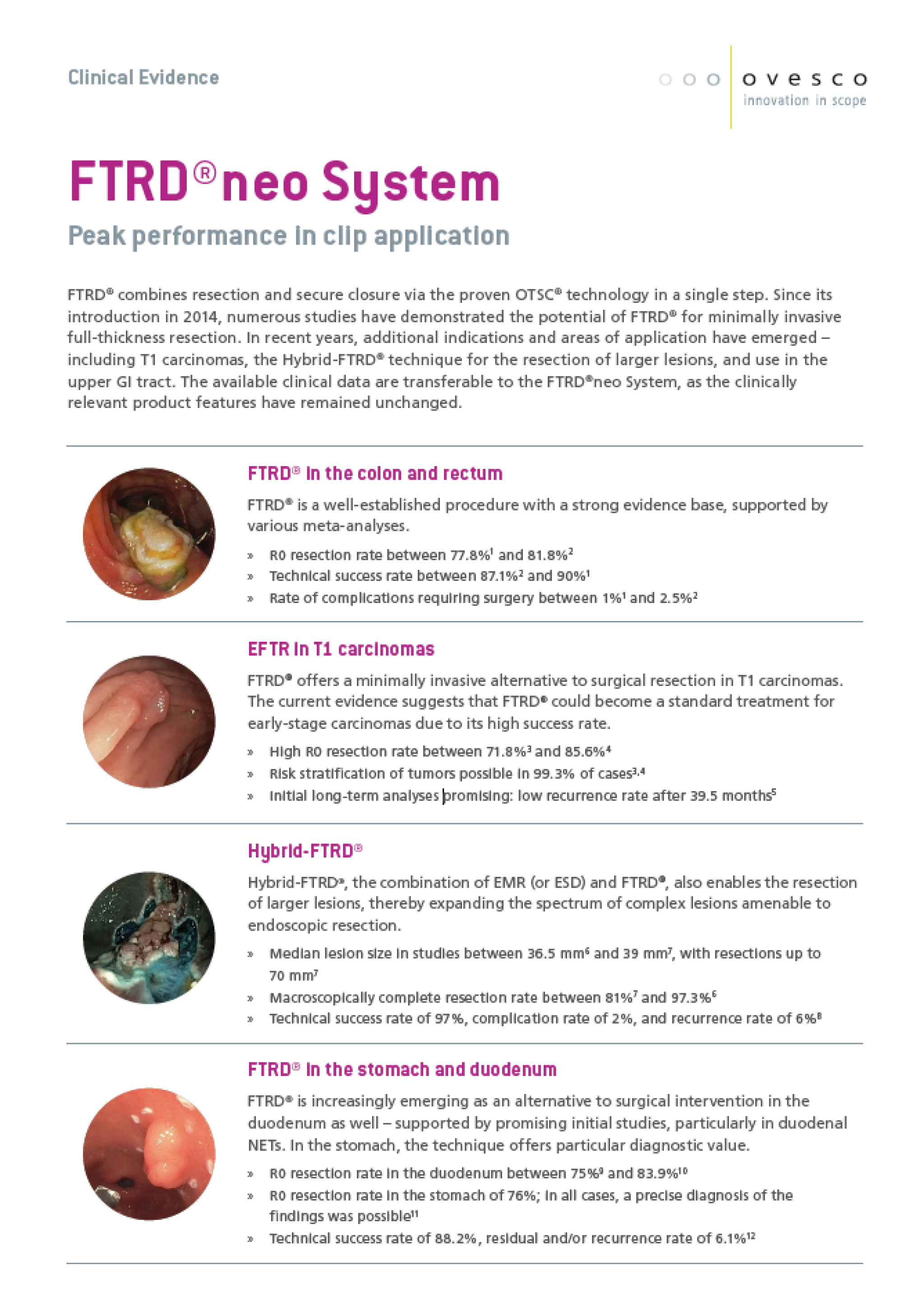
The FTRD® System is the world’s most extensively documented procedure for endoscopic full-thickness resection. Since its introduction in 2014, its clinical efficacy and safety have been comprehensively demonstrated in over 140 published studiesincluding 10 meta-analyses. The available clinical data are fully transferable to the FTRD®neo system, as the clinically relevant have remained unchanged.

FTRD® in the colon and rectum

Two independent meta-analyses involving a total of over 5,000 procedures demonstrate consistently high success rates:

Wannhoff et al. 2021 5 (1,538 cases, 26 studies) Nabi et al. 2024 6 (3,467 cases, 29 studies)
Technical success rate 90.0% 87.1%
R0 resection rate 77.8% 81.8%
Rate of complications requiring surgery 1.0% 2.5%

Table: Comparison of the pooled rates from the meta-analyses by Wannhoff et al. and Nabi et al.

Real-world evidence: German colonic FTRD® registry
The largest registry study to date on colorectal EFTR, involving 1,178 cases from 65 centers (Meier et al. 2020 4), confirms the effectiveness of the procedure in routine clinical practice – in hospitals at a wide range of care levels:

  • R0 resection rate: 80.0%
  • Technical success rate: 88.2%
  • Rate of complications requiring surgery: 2.0%

EFTR for T1 carcinomas

FTRD® is increasingly becoming the standard of care for early-stage colorectal cancers and can avoid the need for surgical resection:

  • Precise risk stratification is possible in 99.3% of cases 7,8
  • R0 resection rates ranging from 71.8% 7 to 85.6% 8
  • Initial long-term data are promising: low recurrence rate (2%) for (deep-seated) low-risk T1 carcinomas with a median follow-up time of 3.5 years 9

Hybrid FTRD®

The combination of EMR (or ESD) and FTRD® in the same session (Hybrid-FTRD®) expands the spectrum to include endoscopicly resectable larger lesions:

  • Lesions up to 70 mm are resectable 10
  • Macroscopically complete resection rate between 81% 10 10and 97.3% 11
  • Technical success rate of 97% with a low complication profile (Rate of complications requiring surgery: 2% ; Recurrence rate: 6%) 12

FTRD® in the stomach and duodenum

Initial prospective and retrospective studies demonstrate the procedure’s potential in the upper GI tract as well particularly for duodenal NETs and subepithelial gastric lesions:

  • Duodenal NETs: R0 resection rate between 75% 13 and 83.9% 14
  • Stomach (subepithelial tumors): R0 resection rate of 76%; in all cases, a precise diagnosis of the lesion was possible 15
  • Technical success rate of 88.2%, residual disease rate and/or recurrence rate of 6.1% 16

EFTR compared to surgery

With comparable oncological outcomes, endoscopic full-thickness resection with FTRD® offers clear advantages over surgical resection 17:

Advantage EFTR with FTRD® Surgical Resection
Invasiveness Minimally invasive, no surgical procedure Open or laparoscopic surgery
Procedure duration ~40–50 minutes ~2 hours (excluding patient preparation)
Hospital stay ~2 days ( , in some countries this procedure is also performed on an outpatient basis) 5–6 days
Cost per R0 resection ~3,709 € ~8,924 €
(~58% cost savings via EFTR with FTRD® vs. surgical resection; Küllmer et al. 2020 17
Oncological safety Precise risk stratification through full-thickness histological analysis Precise risk stratification through full-thickness histological examination

EFTR in the context of other endoscopic procedures

Endoscopic full-thickness resection with FTRD® complements the existing range of treatments for gastrointestinal lesions:

Procedure Key strengths Typical Indications
EFTR mit FTRD® Full-thickness resection with secure wall closure in a single procedure Non-lifting adenomas, early-stage carcinomas, subepithelial tumors
Hybrid FTRD® Combination of EMR (or ESD) plus EFTR, lesions up to 70 mm Larger non-lifting lesions, laterally growing tumors (LST) with partially non-, remaining non-lifting portions
EMR Widely used, easy to implement Flat adenomas with a positive lifting sign
ESD Large lesions en bloc Large submucosal lesions, LST
Surgery Any lesion size, all wall layers When endoscopic procedures are not possible or have been exhausted

Case studies

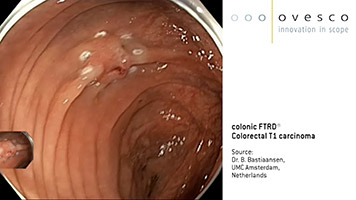
T1 colorectal carcinoma – colonic FTRD®

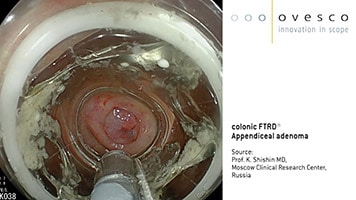
Appendix

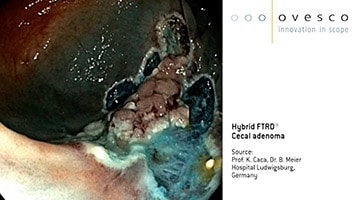
Hybrid FTRD®

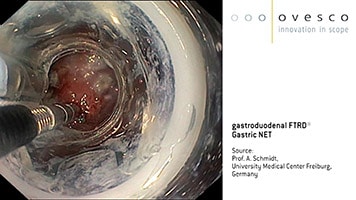
NET or GIST in the stomach – gastroduodenal FTRD®

Frequently asked questions about FTRD®neo

FTRD®neo is particularly indicated for lesions that cannot be resected conventionally (EMR, ESD): non-lifting adenomas, recurrent lesions after prior treatment, lesions at the base of the appendix or in diverticula, and early-stage carcinomas (T1). For larger lesions with mixed lifting behavior, Hybrid-FTRD® may be the more appropriate choice.

The average procedure duration is approximately 40–50 minutes, depending on the location of the lesion. By comparison, open or laparoscopic resections typically take about 2 hours – not including patient preparation.

The FTRD® clip is conditionally MR conditional. Detailed information on MRI conditions can be found in the Instructions for Use (IFU) as well as in the MRI Pass included with every FTRD® package.

Not usually. The FTRD® clip is made of biocompatible material and is approved as an implant, it can remain in the body permanently. In approximately 70% of cases, it detaches spontaneously within the first 3 months 18. If removal is necessary – for example, following an incomplete resection or in the event of local complications – it can be performed endoscopically using the remOVE System ; however, it should be performed no sooner than 6–8 weeks after the procedure.

Yes. Participation in a training course is mandatory before using and purchasing the FTRD®neo System. Information on training opportunities can be found on the Ovesco Training Campus website.

Further information

You might also be interested in:

Sources:

  1. Mueller J, Kuellmer A, Schiemer M, Thimme R, Schmidt A. Current status of endoscopic full-thickness resection with the full-thickness resection device. Dig Endosc. Published online 2022, August 23. doi:10.1111/den.14425
  2. Belderbos TDG, Leenders M, Moons LMG, Siersema PD. Local recurrence after endoscopic mucosal resection of nonpedunculated colorectal lesions: systematic review and meta-analysis. Endoscopy. 2014;46(5):388–402. doi:10.1055/s-0034-1364970
  3. Krutzenbichler I, Dollhopf M, Diepolder H, Eigler A, Fuchs M, Herrmann S, Kleber G, Lewerenz B, Kaiser C, Lilje T, Rath T, Agha A, Vitali F, Schäfer C, Schepp W, Gundling F. Technical success, resection status, and procedural complication rate of colonoscopic full-wall resection: a pooled analysis from 7 hospitals of different care levels. Surg Endosc. 2021;35(7):3339–53. doi:10.1007/s00464-020-07772-5
  4. Meier B, Stritzke B, Kuellmer A, Zervoulakos P, Huebner GH, Repp M, Walter B, Meining A, Gutberlet K, Wiedbrauck T, Glitsch A, Lorenz A, Caca K, Schmidt AR. Efficacy and Safety of Endoscopic Full-Thickness Resection in the Colorectum: Results From the German Colonic FTRD Registry. Am J Gastroenterol. 2020;115(12):1998–2006. doi:10.14309/ajg.0000000000000795
  5. Wannhoff A, Meier B, Caca K. Systematic review and meta-analysis on effectiveness and safety of the full-thickness resection device (FTRD) in the colon / Metaanalyse zur endoskopischen Vollwandresektion im Kolon. Z Gastroenterol. Published online 2021, September 29. doi:10.1055/a-1310-4320
  6. Nabi Z, Samanta J, Dhar J, Mohan BP, Facciorusso A, Reddy DN. Device-assisted endoscopic full-thickness resection in colorectum: Systematic review and meta-analysis. Dig Endosc. 2024;36(2):116–28. doi:10.1111/den.14631
  7. Kuellmer A, Mueller J, Caca K, Aepli P, Albers D, Schumacher B, Glitsch A, Schäfer C, Wallstabe I, Hofmann C, Erhardt A, Meier B, Bettinger D, Thimme R, Schmidt AR. Endoscopic full-thickness resection for early colorectal cancer. Gastrointest Endosc. 2019;89(6):1180-1189.e1. doi:10.1016/j.gie.2018.12.025
  8. Zwager LW, Bastiaansen BAJ, van der Spek BW, Heine DN, Schreuder RM, Perk LE, Weusten BLAM, Boonstra JJ, van der Sluis H, Wolters HJ, Bekkering FC, Rietdijk ST, Schwartz MP, Nagengast WB, Hove WR ten, Terhaar Sive Droste JS, Rando Munoz FJ, Vlug MS, Beaumont H, Houben MHMG, Seerden TCJ, Wijkerslooth TR de, Gielisse EAR, Hazewinkel Y, Ridder R de, Straathof J-WA, van der Vlugt M, Koens L, Fockens P, Dekker E. Endoscopic full-thickness resection of T1 colorectal cancers: a retrospective analysis from a multicenter Dutch eFTR registry. Endoscopy. Published online 2021, September 06. doi:10.1055/a-1637-9051
  9. Albers SC, Zwager LW, van der Spek BW, Schreuder RM, Perk LE, Weusten BLAM, Boonstra JJ, van der Sluis H, Schwartz MP, Vlug MS, Wientjes C, Rando Munoz FJ, Nagengast WB, Bekkering FC, Rogier ten Hove W, Terhaar Sive Droste JS, Houben MHMG, Seerden TCJ, Wijkerslooth TR de, Gielisse EAR, Sarasqueta AF, Flockens P, Dekker E, Bastiaansen BAJ, on behalf of the Dutch eFTR study group. Medium-term oncological outcomes following endoscopic full-thickness resection for T1 colorectal cancer: results from the Dutch prospective colorectal eFTR registry. Abstract OP034. UEG Week 2023, Kopenhagen, Denmark; 14.–17.10.2023. (Session "Advanced endoscopy for early CRC: The final answer?").
  10. Mahadev S, Vareedayah AA, Yuen S, Yuen W, Koller KA, Haber GB. Outcomes of a hybrid technique using EMR and endoscopic full-thickness resection for polyps not amenable to standard techniques (with video). Gastrointest Endosc. 2021;94(2):358-367.e1. doi:10.1016/j.gie.2021.02.009
  11. Meier B, Elsayed I, Seitz N, Wannhoff A, Caca K. Efficacy and safety of combined endoscopic mucosal resection and endoscopic full-thickness resection (Hybrid-EFTR) for large non-lifting colorectal adenoma. Gastrointestinal Endoscopy. Published online 2023, March 27. doi:10.1016/j.gie.2023.03.020
  12. Fakhoury B, Alabdul Razzak I, Morin R, Krishnan S, Mahmood S. Combined endoscopic mucosal resection and full-thickness resection for large colorectal polyps: a systematic review and meta-analysis. Scand J Gastroenterol. 2024;59(7):798–807. doi:10.1080/00365521.2024.2349641
  13. Nabi Z, Pradev I, Basha J, Reddy DN, Darishetty S. Exposed versus non-exposed endoscopic full thickness resection for duodenal sub-epithelial lesions: A tertiary care center experience. iGIE. 2023;2,154-160.e2. doi:10.1016/j.igie.2023.04.004
  14. Wannhoff A, Nabi Z, Moons LMG, Haber G, Ge PS, Dertmann T, Deprez PH, Korcz W, Bouvette C, Mueller J, Tribonias G, Grande G, Kim JJ, Weich A, Heinrich H, Mollenkopf M, George J, Pioche M, Azzolini F, Kouladouros K, Boger P, Hayee B, Bilal M, Bastiaansen BAJ, Caca K. International, Multicenter Analysis of Endoscopic Full-Thickness Resection of Duodenal Neuroendocrine Tumors. Am J Gastroenterol. Published online 2025, March 13. doi:10.14309/ajg.0000000000003409
  15. Meier B, Schmidt AR, Glaser N, Meining A, Walter B, Wannhoff A, Riecken B, Caca K. Endoscopic full-thickness resection of gastric subepithelial tumors with the gFTRD-system: a prospective pilot study (RESET trial). Surg Endosc. 2020;34(2):853–60. doi:10.1007/s00464-019-06839-2
  16. Bomman S, Klair JS, Canakis A, Muthusamy AK, Nagra N, Chandra S, Shanmugam M, Perisetti A, Aggarwal A, Gavini HK, Krishnamoorthi R. Safety and Efficacy of Endoscopic Full Thickness Resection of Upper Gastrointestinal Lesions Using a Full Thickness Resection Device: A Systematic Review and Meta-analysis. J Clin Gastroenterol. 2024;58(1):46–52. doi:10.1097/MCG.0000000000001803
  17. Kuellmer A, Behn J, Beyna T, Schumacher B, Meining A, Messmann H, Neuhaus H, Albers D, Birk M, Probst A, Faehndrich M, Frieling T, Goetz M, Thimme R, Caca K, Schmidt AR. Endoscopic full-thickness resection and its treatment alternatives in difficult-to-treat lesions of the lower gastrointestinal tract: a cost-effectiveness analysis. BMJ Open Gastroenterol. Published online. doi:10.1136/bmjgast-2020-000449
  18. Schmidt AR, Beyna T, Schumacher B, Meining A, Richter-Schrag H-J, Messmann H, Neuhaus H, Albers D, Birk M, Thimme R, Probst A, Faehndrich M, Frieling T, Goetz M, Riecken B, Caca K. Colonoscopic full-thickness resection using an over-the-scope device: a prospective multicentre study in various indications. Gut. 2018;67(7):1280–9. doi:10.1136/gutjnl-2016-313677
TOP