Deutsch
  Français
  Español
  Português
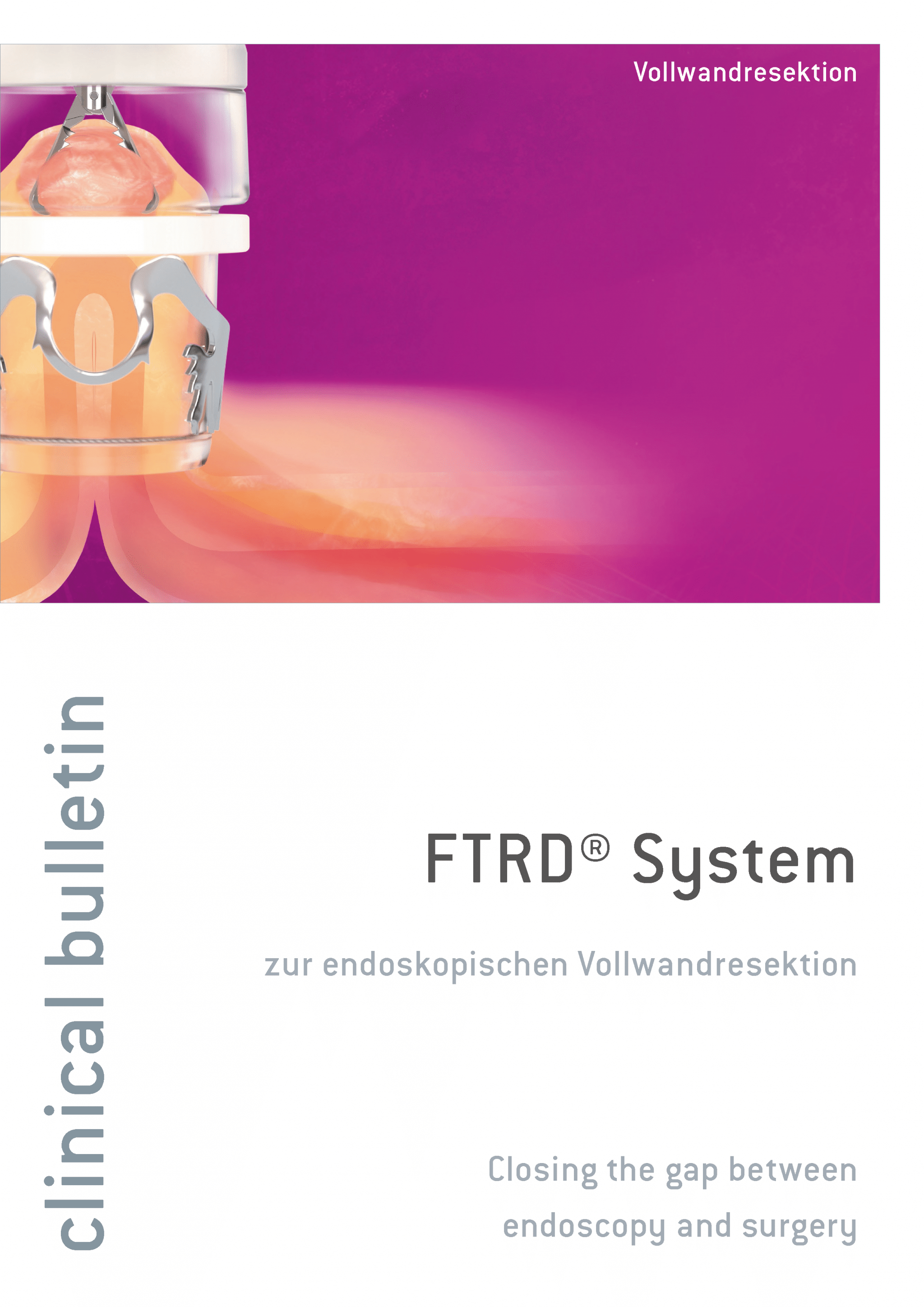
Endoscopic full-thickness resection
From surgery to endoscopy – background and development
Closing the gap between endoscopy and surgery
Certain lesions in the gastrointestinal tract have long been reserved for surgical treatment: those with a “non-lifting sign” (lesions that do not lift after submucosal injection) as well as lesions in anatomically hard-to-reach locations. These include scarred recurrent polyps, early-invasive T1 carcinomas, subepithelial tumors, and lesions at the appendix ostium or within diverticula. Conventional endoscopic techniques such as endoscopic mucosal resection (EMR) or endoscopic submucosal dissection (ESD) do not offer a suitable resection option for such lesions: The risk of perforation with ESD is elevated 1, piecemeal resections are associated with recurrence rates of up to 20% 2,and transanal procedures (TEM, TAMIS) remain anatomically limited to the rectum 1 – meaning that surgical segmental resection, with its associated morbidity, is often necessary for these lesions.
The development of the OTSC® System by Ovesco Endoscopy laid the foundation for the “clip-and-cut” principle of modern EFTR 3: occlusion and full-thickness resection of the organ wall in a single step, without opening the organ lumen (non-exposed EFTR) 4. With the CE approval of the FTRD® System in September 2014 3 endoscopic full-thickness resection is now an established procedure, supported by more than 140 publications, and has continued to evolve ever since. The FTRD® System is now available in three versions – for colorectal resections ( colonic FTRD®neo ), for lesions in the stomach and duodenum
( gastroduodenal FTRD®neo ), and for diagnostic full-thickness biopsy ( diagnostic FTRD®neo ). The FTRD® System thus effectively bridges the gap between endoscopy and surgery.
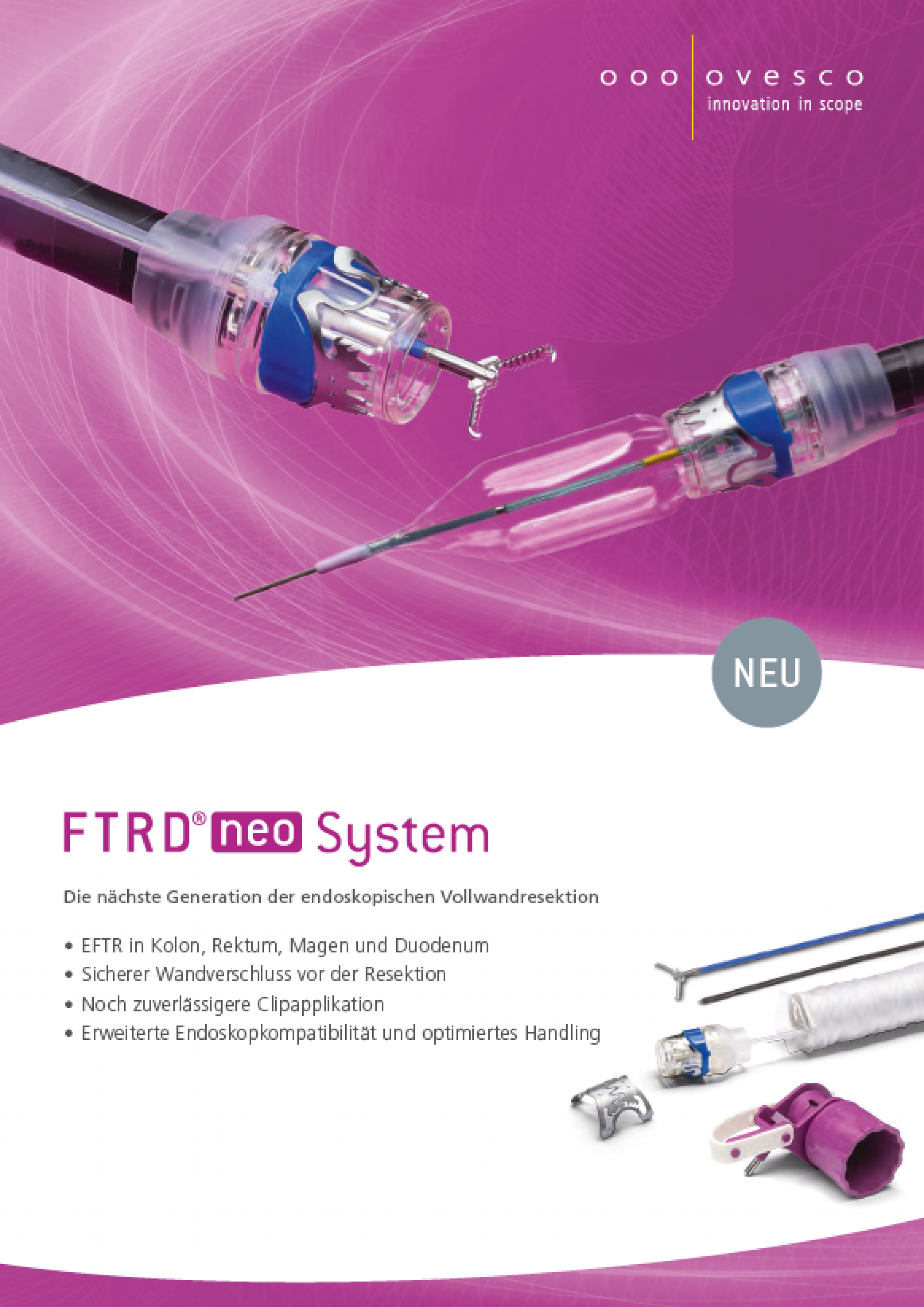
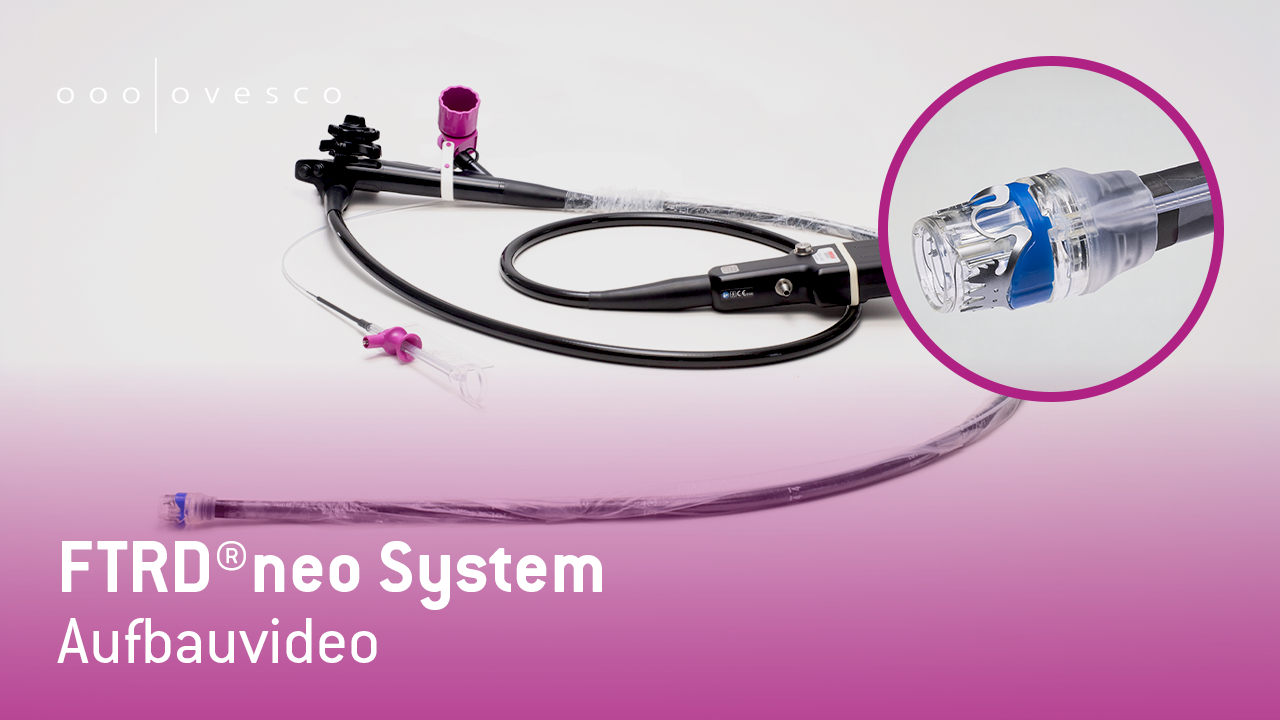
The FTRD®neo System – the next generation of endoscopic full-thickness resection
Peak Performance in Clip application
The FTRD®neo System is an evolution of the proven FTRD® System. The design optimizations are based on the clinically proven innovations of the OTSC®neo and have been incorporated into the FTRD® System. The clinical efficacy and safety of the proven system remain fully intact, complemented by targeted improvements in clip application, handling, and endoscope compatibility for even greater reliability in everyday clinical practice.
The procedure
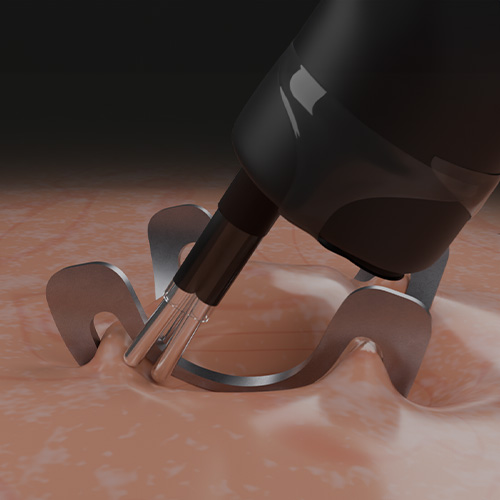
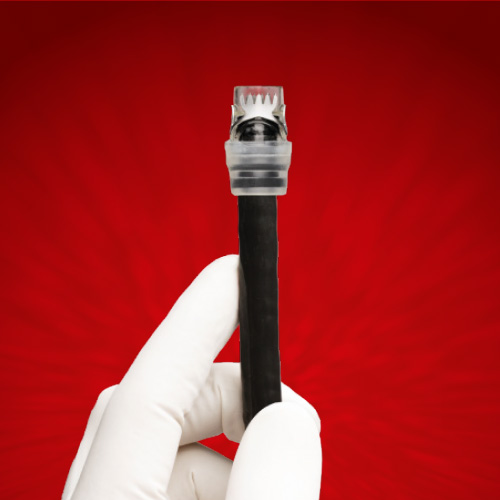
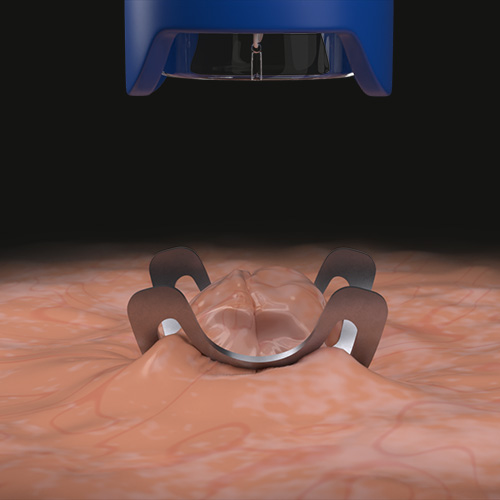
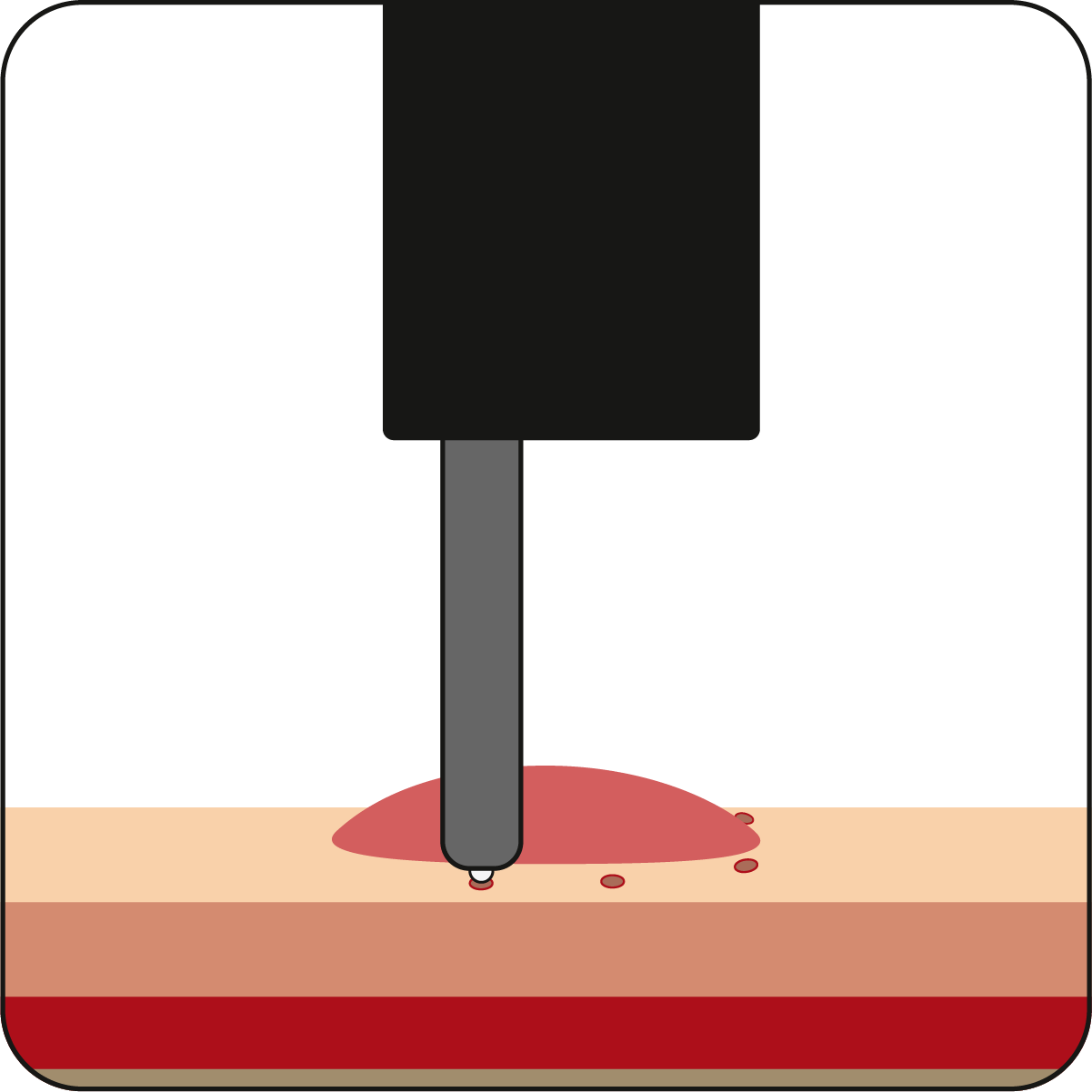
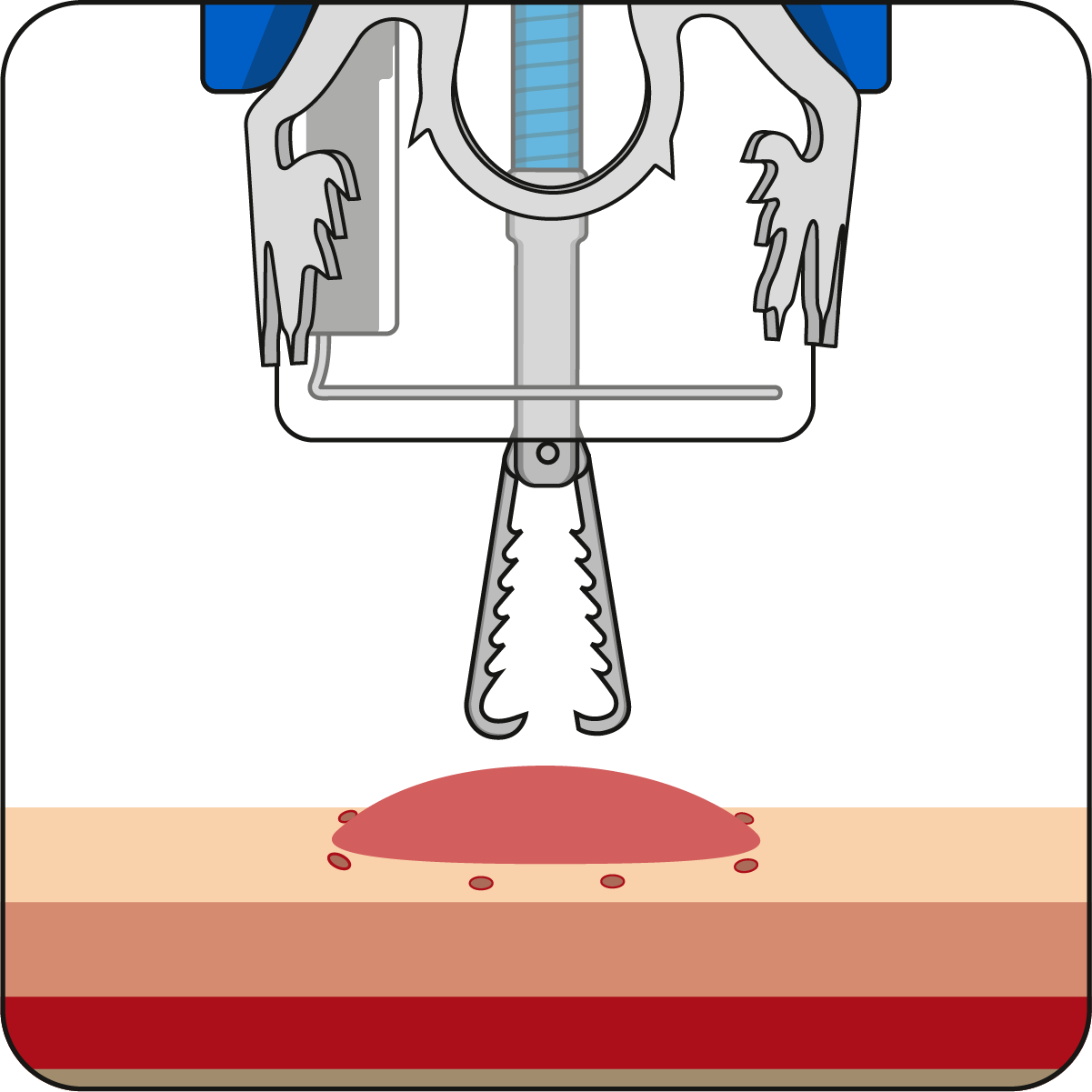
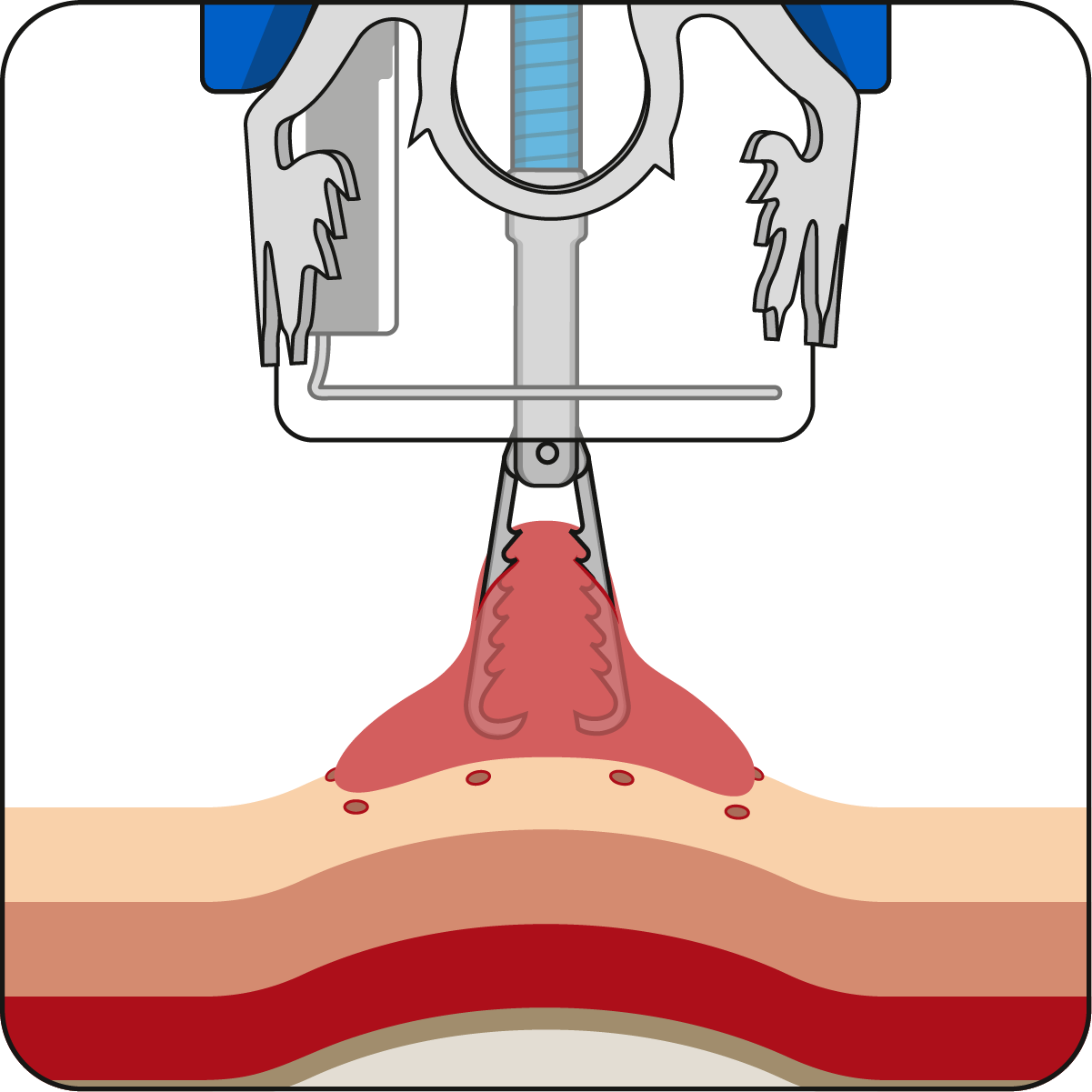
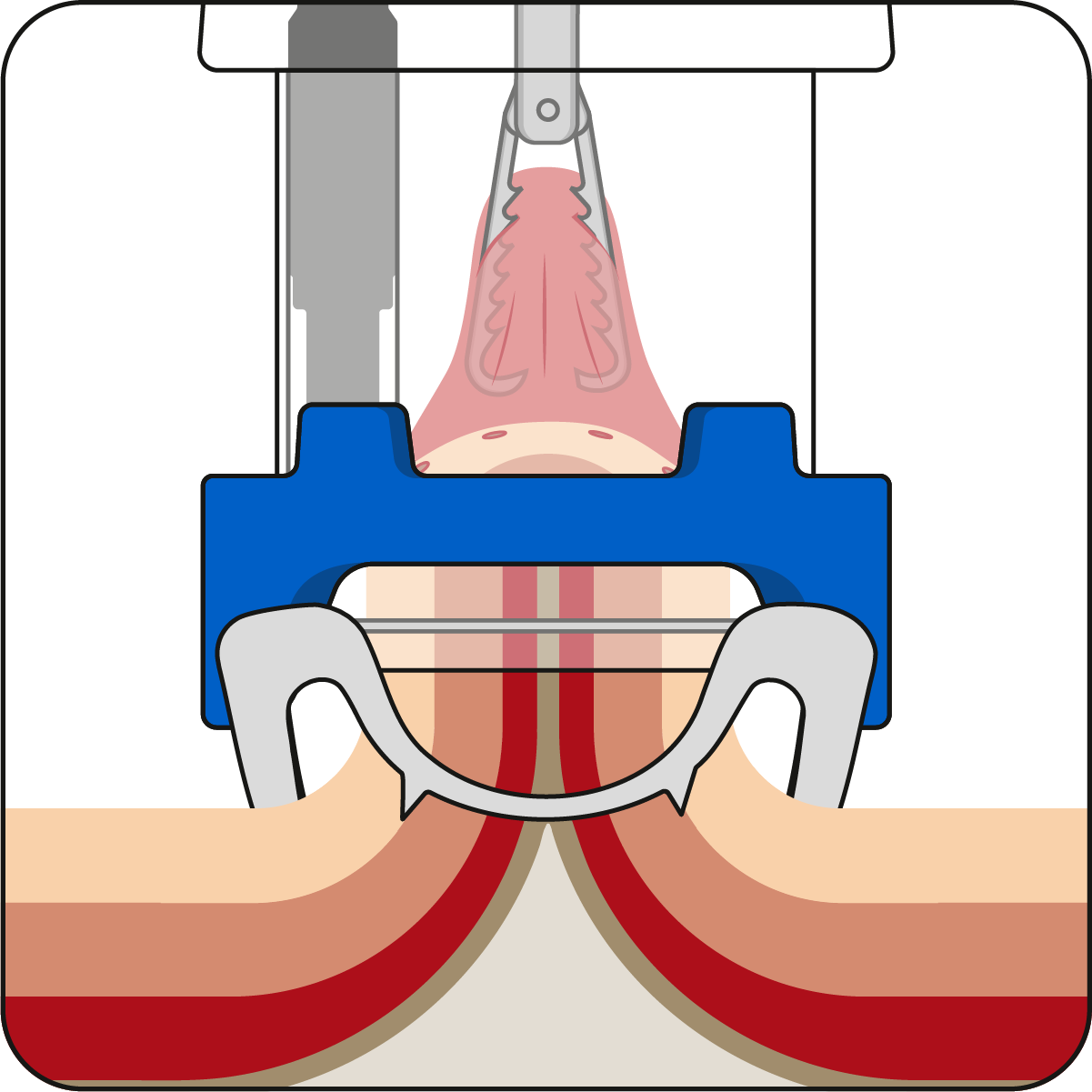
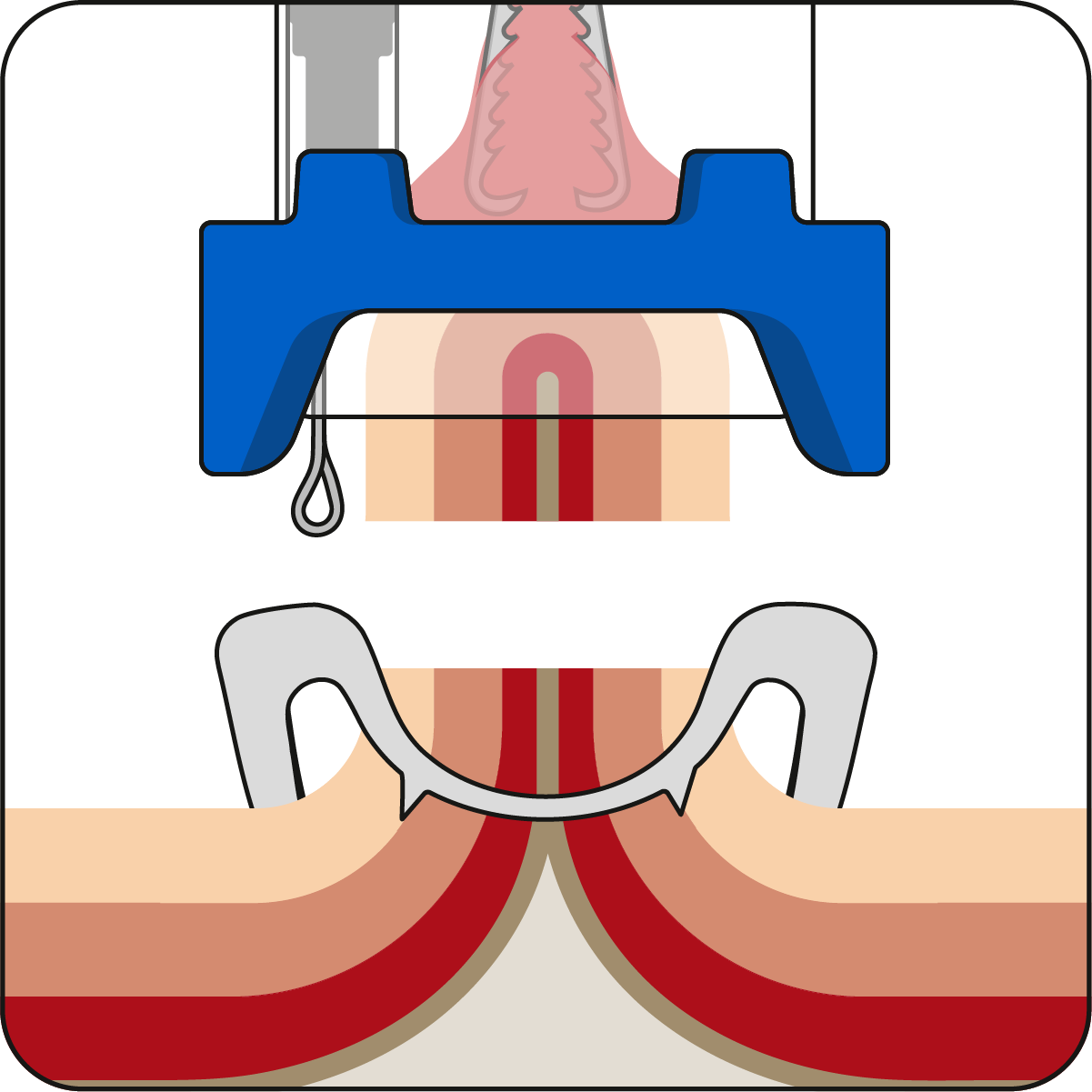
The FTRD®neo System (Full-Thickness Resection Device) enables endoscopic resection of lesions, including all wall layers, up to to the serosa (endoscopic full-thickness resection, EFTR). What makes this procedure unique: The preloaded clip securely seals the resection site before the actual tissue is cut, thus preventing the organ lumen from opening. Wall closure (using the proven OTSC® technique) and resection are performed sequentially in a single endoscopic procedure.
Procedure:
Indications
Full-thickness resection and diagnostic tissue sampling in the colon and rectum (colonic FTRD®neo)
- Non-lifting (recurrent) adenomas
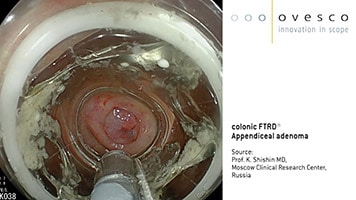
- Adenomas in difficult locations (on/in diverticula, at the base of the appendix)
- Small subepithelial tumors
- Post-resection of malignant polyps
- Submucosal tumors
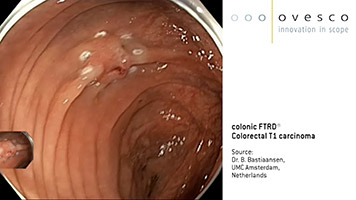
- Early-stage carcinomas
Full-thickness / deep partial-thickness resection and diagnostic tissue sampling in the stomach and duodenum (gastroduodenal FTRD®neo)
- Non-lifting (recurrent) adenomas
- Small subepithelial tumors
- Post-resection of malignant polyps
- Submucosal tumors (e.g., GIST)
- Early-stage carcinomas
- Diagnostics of Gastroparesis (via full-thickness biopsy)
Full-thickness biopsy of the colon and rectum (diagnostic FTRD®neo)
- Hypo- and aganglionosis (e.g., Hirschsprung’s disease)
- Enteric ganglionitis
- Visceral neuropathies and myopathies (e.g., in chronic constipation)
- Gastrointestinal amyloidosis
- Enteric manifestations of neurological disorders (e.g., Parkinson’s disease)
Clinical Evidence
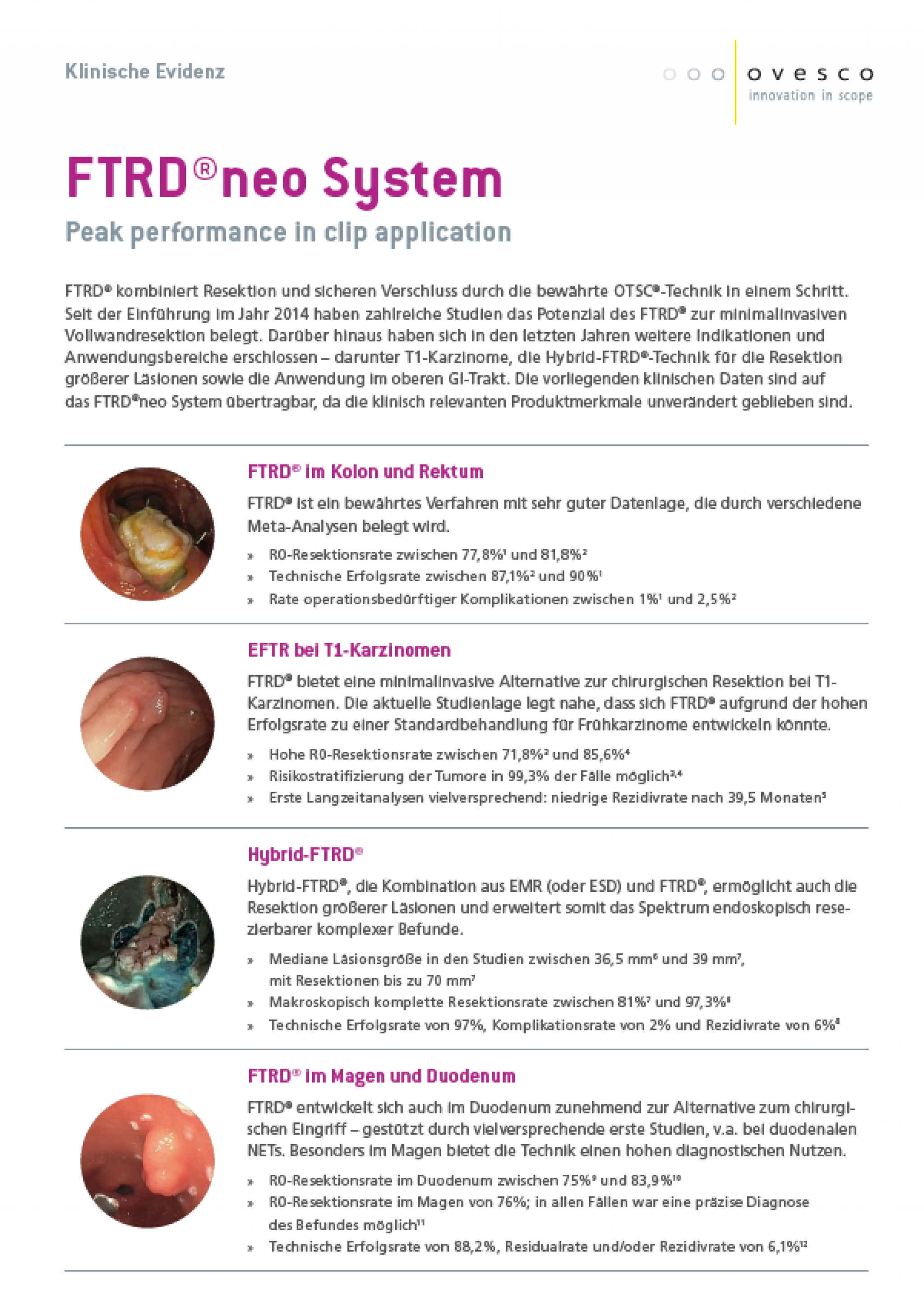
The FTRD® System is the world’s most extensively documented procedure for endoscopic full-thickness resection. Since its introduction in 2014, its clinical efficacy and safety have been comprehensively demonstrated in over 140 published studies –including 10 meta-analyses. The available clinical data are fully transferable to the FTRD®neo system, as the clinically relevant have remained unchanged.
FTRD® in the colon and rectum
Two independent meta-analyses involving a total of over 5,000 procedures demonstrate consistently high success rates:
| Wannhoff et al. 2021 5 (1,538 cases, 26 studies) | Nabi et al. 2024 6 (3,467 cases, 29 studies) | |
|---|---|---|
| Technical success rate | 90.0% | 87.1% |
| R0 resection rate | 77.8% | 81.8% |
| Rate of complications requiring surgery | 1.0% | 2.5% |
Table: Comparison of the pooled rates from the meta-analyses by Wannhoff et al. and Nabi et al.
Real-world evidence: German colonic FTRD® registry
The largest registry study to date on colorectal EFTR, involving 1,178 cases from 65 centers (Meier et al. 2020 4), confirms the effectiveness of the procedure in routine clinical practice – in hospitals at a wide range of care levels:
- R0 resection rate: 80.0%
- Technical success rate: 88.2%
- Rate of complications requiring surgery: 2.0%
EFTR for T1 carcinomas
FTRD® is increasingly becoming the standard of care for early-stage colorectal cancers and can avoid the need for surgical resection:
- Precise risk stratification is possible in 99.3% of cases 7,8
- R0 resection rates ranging from 71.8% 7 to 85.6% 8
- Initial long-term data are promising: low recurrence rate (2%) for (deep-seated) low-risk T1 carcinomas with a median follow-up time of 3.5 years 9
Hybrid FTRD®
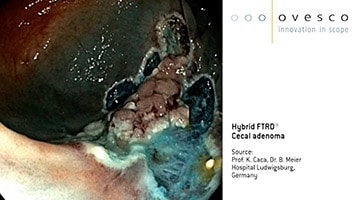
The combination of EMR (or ESD) and FTRD® in the same session (Hybrid-FTRD®) expands the spectrum to include endoscopicly resectable larger lesions:
- Lesions up to 70 mm are resectable 10
- Macroscopically complete resection rate between 81% 10 10and 97.3% 11
- Technical success rate of 97% with a low complication profile (Rate of complications requiring surgery: 2% ; Recurrence rate: 6%) 12
FTRD® in the stomach and duodenum
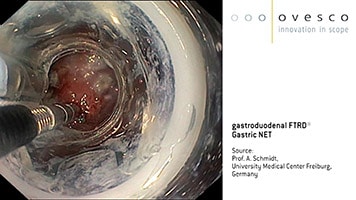
Initial prospective and retrospective studies demonstrate the procedure’s potential in the upper GI tract as well particularly for duodenal NETs and subepithelial gastric lesions:
- Duodenal NETs: R0 resection rate between 75% 13 and 83.9% 14
- Stomach (subepithelial tumors): R0 resection rate of 76%; in all cases, a precise diagnosis of the lesion was possible 15
- Technical success rate of 88.2%, residual disease rate and/or recurrence rate of 6.1% 16
EFTR compared to surgery
With comparable oncological outcomes, endoscopic full-thickness resection with FTRD® offers clear advantages over surgical resection 17:
| Advantage | EFTR with FTRD® | Surgical Resection |
|---|---|---|
| Invasiveness | Minimally invasive, no surgical procedure | Open or laparoscopic surgery |
| Procedure duration | ~40–50 minutes | ~2 hours (excluding patient preparation) |
| Krankenhausaufenthalt | ~2 Tage (wird in einigen Ländern auch ambulant durchgeführt) | 5–6 Tage |
| Kosten je R0-Resektion | ~3.709 € | ~8.924 € |
| ~58 % Einsparung via EFTR mit FTRD® vs. chirurgische Resektion; Küllmer et al. 2020 17 | ||
| Onkologische Sicherheit | Präzise Risikostratifizierung durch histologische Vollwandaufarbeitung | Präzise Risikostratifizierung durch histologische Vollwandaufarbeitung |
EFTR im Kontext anderer endoskopischer Verfahren
Die endoskopische Vollwandresektion mit FTRD® ergänzt das bestehende Behandlungsspektrum für gastrointestinale Läsionen:
| Verfahren | Besondere Stärken | Typische Indikationen |
|---|---|---|
| EFTR mit FTRD® | Vollwandresektion mit sicherem Wandverschluss in einem Eingriff | Non-lifting Adenome, Frühkarzinome, subepitheliale Tumore |
| Hybrid-FTRD® | Kombination aus EMR (oder ESD) plus EFTR, Läsionen bis 70 mm | Größere non-lifting Läsionen, lateral wachsende Tumore (LST) mit teilweise verbleibenden non-lifting Anteilen |
| EMR | Weit verbreitet, leicht zu implementieren | Flache Adenome mit positivem Lifting-Zeichen |
| ESD | Große Läsionen en bloc | Große Submukosa-Läsionen, LST |
| Chirurgie | Beliebige Läsionsgröße, alle Wandschichten | Wenn endoskopische Verfahren nicht möglich oder ausgeschöpft |